Buy specjalista-bhp.eu ?
We are moving the project
specjalista-bhp.eu .
Are you interested in purchasing the domain
specjalista-bhp.eu ?
domain@kv-gmbh.de · 0541-91531010
Buy specjalista-bhp.eu ?
What is an air safety training and a workplace safety training?
Air safety training is a program designed to educate individuals working in the aviation industry on how to prevent accidents and respond effectively in emergency situations. This training covers topics such as aircraft evacuation procedures, fire safety, and first aid. On the other hand, workplace safety training is a program that aims to educate employees on how to identify and mitigate potential hazards in the workplace to prevent accidents and injuries. This training typically covers topics such as proper lifting techniques, use of personal protective equipment, and emergency response protocols. Both types of training are essential to ensure the safety of individuals in their respective environments. **
When did the Atlantic Ocean originate?
The Atlantic Ocean is estimated to have originated around 200 million years ago during the breakup of the supercontinent Pangaea. This process of continental drift and seafloor spreading led to the formation of the Atlantic Ocean as we know it today. The ocean continues to evolve and change due to tectonic activity and other geological processes. **

Similar search terms for Atlantic
Top-Angebote
Products related to Atlantic:
-
atlanticsaunas Atlantic Sauna Infrared Hanko 3 PersonSauna (Atlantic Glow 1.5)The Atlantic Saunas Infrared Hanko 3 Person Sauna brings calm, steady heat into your home in a way that feels easy and natural. It uses far infrared technology to warm the body directly, so you get the benefits of deep heat without raising the air temperature. With space for three, it’s roomy...3499,00 £*Shipping: 0,00 £Secure redirect to the provider
-
atlanticsaunas Atlantic Saunas Mono Traditional Indoor Sauna (Atlantic Core 0.9)The Atlantic Saunas Mono Traditional Indoor Sauna gives you that classic dry heat feel in a space that’s just right for one. It runs on a 2.3 kW Harvia stove that delivers steady, even warmth throughout the cabin. The compact square footprint makes it easy to fit into a spare room, loft or...2299,00 £*Shipping: 0,00 £Secure redirect to the provider
-
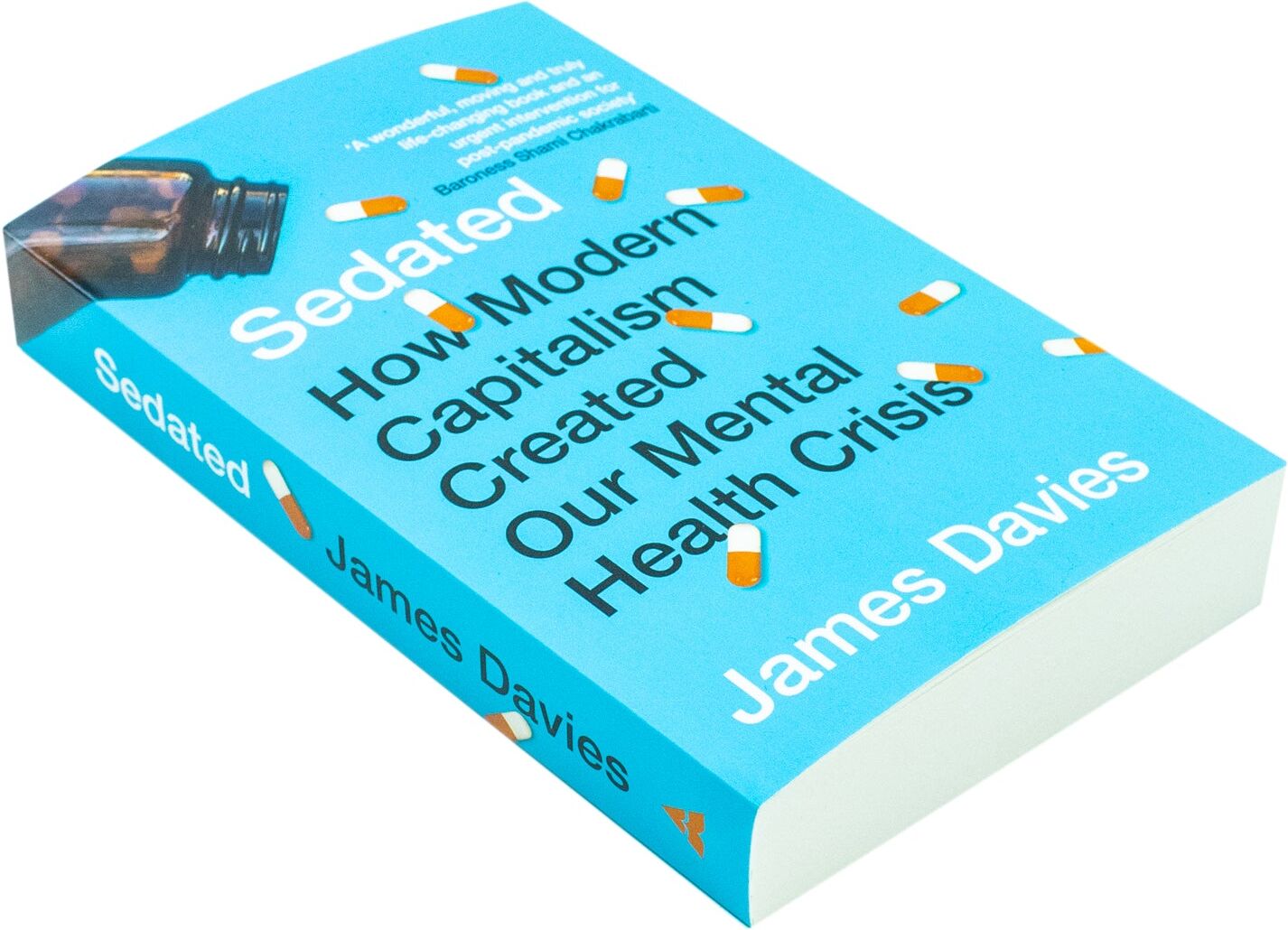
Atlantic Books Sedated: How Modern Capitalism Created our Mental Health Crisis by James DaviesA provocative and shocking look at how western society is misunderstanding and mistreating mental illness. Perfect for fans of Empire of Pain and Dope Sick. In Britain alone, more than 20% of the adult population take a psychiatric drug in any one year. This is an increase of over 500% since 1980 and the numbers continue to grow. Yet, despite this prescription epidemic, levels of mental illness of all types have actually increased in number and severity. Using a wealth of studies, interviews with experts, and detailed analysis, Dr James Davies argues that this is because we have fundamentally mischaracterised the problem. Rather than viewing most mental distress as an understandable reaction to wider societal problems, we have embraced a medical model which situates the problem solely within the sufferer and their brain. Urgent and persuasive, Sedated systematically examines why this individualistic view of mental illness has been promoted by successive governments and big business - and why it is so misplaced and dangerous.3,99 £*Shipping: 1,99 £Secure redirect to the provider


-
When did the Atlantic Ocean form?
The Atlantic Ocean began forming around 200 million years ago during the breakup of the supercontinent Pangaea. This process of continental drift and seafloor spreading continued over millions of years, leading to the formation of the Atlantic Ocean as we know it today. The ocean's formation was a result of tectonic plate movements and volcanic activity along the mid-Atlantic Ridge. **
-
How deep is the Atlantic on average?
The average depth of the Atlantic Ocean is approximately 12,000 feet (3,660 meters). **
-
How cold is it in the Atlantic?
The temperature of the Atlantic Ocean varies depending on the location and time of year. In general, the surface water temperature can range from as low as 0°C (32°F) in the northern regions to as high as 30°C (86°F) in the tropics. The deeper water in the Atlantic tends to be colder, with temperatures dropping significantly in the deeper layers. Overall, the Atlantic Ocean can be quite cold in the northern regions and warmer in the southern and tropical regions. **
-
How can one sail across the Atlantic?
Sailing across the Atlantic can be done by either joining a crew on a sailing yacht or by captaining your own boat. It's important to have the necessary sailing skills and experience, as well as knowledge of navigation, weather patterns, and safety procedures. Planning the route, preparing the boat with necessary supplies and equipment, and obtaining the required permits and documentation are also crucial. It's advisable to have a support team on land to monitor your progress and provide assistance if needed. **


Is the Atlantic Ocean larger than Africa?
No, the Atlantic Ocean is not larger than Africa. Africa is the second largest continent in the world, covering an area of about 11.7 million square miles, while the Atlantic Ocean is the second largest ocean in the world, covering an area of about 41.1 million square miles. Therefore, Africa is significantly larger than the Atlantic Ocean. **
Where do the Atlantic and Pacific Oceans meet?
The Atlantic and Pacific Oceans meet at Cape Horn, located at the southernmost tip of South America in Chile. This iconic landmark is known for its treacherous waters and strong winds, making it a challenging point for sailors to navigate. Cape Horn is a significant maritime location where the two great oceans converge, creating a dramatic and awe-inspiring natural phenomenon. **
Top-Angebote
Products related to Atlantic:
-
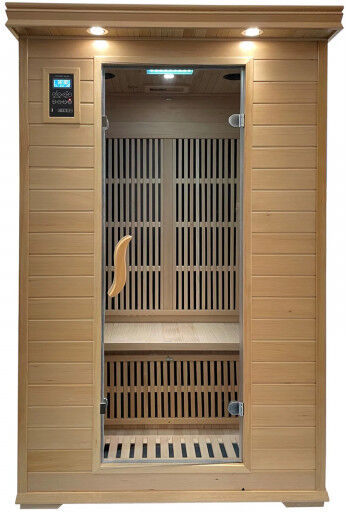
atlanticsaunas Atlantic Saunas Infrared Snug Sauna (Atlantic Glow 1.2)The Atlantic Saunas Infrared Snug 2 Person Sauna brings that cosy sauna vibe home. It keeps the best bits of the original Snug but replaces the traditional stove with far infrared heat, so you get more space inside and a gentler, steady warmth that’s easy to sink into. It’s made for two and fits...2799,00 £*Shipping: 0,00 £Secure redirect to the provider
-
atlanticsaunas Atlantic Saunas Mono Infrared Sauna (Atlantic Glow 0.9)The Atlantic Saunas Mono Infrared Sauna gives you a calm little space to pause and reset. It’s designed for one person and uses carbon nano infrared heaters that create a steady, even warmth without pushing up the air temperature too much. The digital control panel is placed on the outside, so...2099,00 £*Shipping: 0,00 £Secure redirect to the provider
-
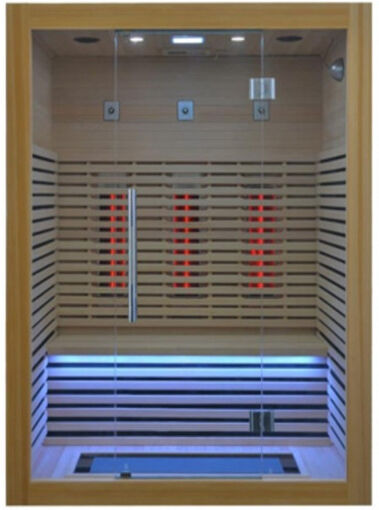
atlanticsaunas Atlantic Sauna Infrared Hanko 3 PersonSauna (Atlantic Glow 1.5)The Atlantic Saunas Infrared Hanko 3 Person Sauna brings calm, steady heat into your home in a way that feels easy and natural. It uses far infrared technology to warm the body directly, so you get the benefits of deep heat without raising the air temperature. With space for three, it’s roomy...3499,00 £*Shipping: 0,00 £Secure redirect to the provider
-
atlanticsaunas Atlantic Saunas Mono Traditional Indoor Sauna (Atlantic Core 0.9)The Atlantic Saunas Mono Traditional Indoor Sauna gives you that classic dry heat feel in a space that’s just right for one. It runs on a 2.3 kW Harvia stove that delivers steady, even warmth throughout the cabin. The compact square footprint makes it easy to fit into a spare room, loft or...2299,00 £*Shipping: 0,00 £Secure redirect to the provider
-
What is an air safety training and a workplace safety training?
Air safety training is a program designed to educate individuals working in the aviation industry on how to prevent accidents and respond effectively in emergency situations. This training covers topics such as aircraft evacuation procedures, fire safety, and first aid. On the other hand, workplace safety training is a program that aims to educate employees on how to identify and mitigate potential hazards in the workplace to prevent accidents and injuries. This training typically covers topics such as proper lifting techniques, use of personal protective equipment, and emergency response protocols. Both types of training are essential to ensure the safety of individuals in their respective environments. **
-
When did the Atlantic Ocean originate?
The Atlantic Ocean is estimated to have originated around 200 million years ago during the breakup of the supercontinent Pangaea. This process of continental drift and seafloor spreading led to the formation of the Atlantic Ocean as we know it today. The ocean continues to evolve and change due to tectonic activity and other geological processes. **
-
When did the Atlantic Ocean form?
The Atlantic Ocean began forming around 200 million years ago during the breakup of the supercontinent Pangaea. This process of continental drift and seafloor spreading continued over millions of years, leading to the formation of the Atlantic Ocean as we know it today. The ocean's formation was a result of tectonic plate movements and volcanic activity along the mid-Atlantic Ridge. **
-
How deep is the Atlantic on average?
The average depth of the Atlantic Ocean is approximately 12,000 feet (3,660 meters). **
Similar search terms for Atlantic
-
Atlantic Books Sedated: How Modern Capitalism Created our Mental Health Crisis by James DaviesA provocative and shocking look at how western society is misunderstanding and mistreating mental illness. Perfect for fans of Empire of Pain and Dope Sick. In Britain alone, more than 20% of the adult population take a psychiatric drug in any one year. This is an increase of over 500% since 1980 and the numbers continue to grow. Yet, despite this prescription epidemic, levels of mental illness of all types have actually increased in number and severity. Using a wealth of studies, interviews with experts, and detailed analysis, Dr James Davies argues that this is because we have fundamentally mischaracterised the problem. Rather than viewing most mental distress as an understandable reaction to wider societal problems, we have embraced a medical model which situates the problem solely within the sufferer and their brain. Urgent and persuasive, Sedated systematically examines why this individualistic view of mental illness has been promoted by successive governments and big business - and why it is so misplaced and dangerous.3,99 £*Shipping: 1,99 £Secure redirect to the provider
-
How cold is it in the Atlantic?
The temperature of the Atlantic Ocean varies depending on the location and time of year. In general, the surface water temperature can range from as low as 0°C (32°F) in the northern regions to as high as 30°C (86°F) in the tropics. The deeper water in the Atlantic tends to be colder, with temperatures dropping significantly in the deeper layers. Overall, the Atlantic Ocean can be quite cold in the northern regions and warmer in the southern and tropical regions. **
-
How can one sail across the Atlantic?
Sailing across the Atlantic can be done by either joining a crew on a sailing yacht or by captaining your own boat. It's important to have the necessary sailing skills and experience, as well as knowledge of navigation, weather patterns, and safety procedures. Planning the route, preparing the boat with necessary supplies and equipment, and obtaining the required permits and documentation are also crucial. It's advisable to have a support team on land to monitor your progress and provide assistance if needed. **
-
Is the Atlantic Ocean larger than Africa?
No, the Atlantic Ocean is not larger than Africa. Africa is the second largest continent in the world, covering an area of about 11.7 million square miles, while the Atlantic Ocean is the second largest ocean in the world, covering an area of about 41.1 million square miles. Therefore, Africa is significantly larger than the Atlantic Ocean. **
-
Where do the Atlantic and Pacific Oceans meet?
The Atlantic and Pacific Oceans meet at Cape Horn, located at the southernmost tip of South America in Chile. This iconic landmark is known for its treacherous waters and strong winds, making it a challenging point for sailors to navigate. Cape Horn is a significant maritime location where the two great oceans converge, creating a dramatic and awe-inspiring natural phenomenon. **
* All prices are inclusive of VAT and, if applicable, plus shipping costs. The offer information is based on the details provided by the respective shop and is updated through automated processes. Real-time updates do not occur, so deviations can occur in individual cases. ** Note: Parts of this content were created by AI.