Buy specjalista-bhp.eu ?
We are moving the project
specjalista-bhp.eu .
Are you interested in purchasing the domain
specjalista-bhp.eu ?
domain@kv-gmbh.de · 0541-91531010
Buy specjalista-bhp.eu ?
What is grammatically correct: Dank dir or Dank deiner?
Both "Dank dir" and "Dank deiner" are grammatically correct in German, but they are used in different contexts. "Dank dir" is used when thanking someone directly, while "Dank deiner" is used when the thanks is directed towards something that belongs to the person. For example, you would say "Dank dir" when thanking someone for their help, and "Dank deiner Hilfe" when thanking someone for their help specifically. **
Is it "Vielen Dank für's Nachhausebringen" or "Vielen Dank fürs Nachhausebringen"?
Both versions are correct, but the second one "Vielen Dank fürs Nachhausebringen" is more commonly used in spoken German. The first version "Vielen Dank für's Nachhausebringen" includes an apostrophe to indicate the omitted letter "e" in "für das," which is more common in written German. Both versions convey the same meaning and can be used interchangeably. **


Similar search terms for Dank
Top-Angebote
Products related to Dank:
-
All Categories Goods Emergency Survival Gas Mask With Dual Protection Filter & Safety Goggles Emergency Survival Gas Mask With Dual Protection Filter & Safety GogglesPrepare for the unexpected with the Emergency Survival Gas Mask, designed to protect you during hazardous situations. Whether youre navigating dangerous environments or preparing for natural disasters, this protective gear ensures your safety....47,97 $*Shipping: 0,00 $Secure redirect to the provider
-
MACMILLAN Radical Respect by Kim Scott – Build a Fairer, Kinder & More Effective WorkplaceRadical Respect by Kim Scott is a powerful guide to building healthier, more respectful, and more effective workplaces.Drawing on years of leadership experience and deep research into communication, inclusion and behaviour, Scott explores how individuals and organisations can move beyond fear, toxicity and bias to create cultures where everyone can thrive. The book breaks down: What genuine respect looks like in everyday interactions How to navigate conflict without causing harm How to eliminate workplace bias, bullying and discrimination How leaders can build trust, safety and accountability How to encourage open, honest communication while valuing differences Practical, empathetic and eye-opening, Radical Respect is an essential read for leaders, HR teams, managers and anyone committed to improving the modern workplace.3,99 £*Shipping: 1,99 £Secure redirect to the provider
-
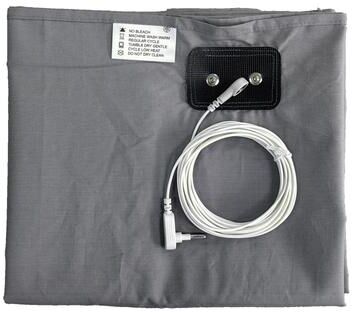
Uplifted Goods Elite Grounding Silver Fiber Health Protection Sheet white 60.24 X 104.33Experience the restorative benefits of the Earth from the comfort of your bedroom with the Elite Grounding Silver Fiber Health Protection Sheet. This professional grade wellness system is meticulously engineered with a 10% pure silver fiber weave...99,97 $*Shipping: 0,00 $Secure redirect to the provider




-
'm antworten kann. Vielen Dank!
Natürlich, ich stehe Ihnen gerne zur Verfügung, um Ihre Frage zu beantworten. Bitte zögern Sie nicht, mir Ihre Frage zu stellen, und ich werde mein Bestes tun, um Ihnen zu helfen. Vielen Dank für Ihr Vertrauen und die Gelegenheit, Ihnen zu helfen! **
-
Is "Danke" the plural of "Dank"?
No, "Danke" is not the plural of "Dank." "Dank" is a noun meaning "thanks" or "gratitude" in German, while "Danke" is the informal way of saying "thank you." So, "Dank" is the noun form and "Danke" is the verb form. **
-
What does "dank mir später" mean?
"Dank mir später" is a German phrase that translates to "thank me later" in English. It is used when someone does something helpful or kind for another person, and they expect to be thanked for it at a later time. It can be used in a playful or lighthearted manner, but it also conveys the expectation of gratitude for the favor or assistance provided. **
-
Why is Dank Memer constantly offline?
Dank Memer may be constantly offline due to server maintenance, technical issues, or high server traffic. The bot may also be undergoing updates or experiencing outages from its hosting platform. Additionally, the bot's developers may be working on fixing bugs or adding new features, causing temporary downtime. **

Is saying 'Vielen Dank im Voraus' impolite?
No, saying 'Vielen Dank im Voraus' (Thank you in advance) is not considered impolite. It is a common way to express gratitude for someone's future assistance or help. However, it is always good to consider the context and tone in which it is used to ensure it is appropriate for the situation. **
Dative or accusative with the preposition "dank"?
The preposition "dank" is typically followed by the dative case in German. This means that the noun or pronoun following "dank" will take the dative form. For example, you would say "dank dem Wetter" (thanks to the weather) or "dank meiner Familie" (thanks to my family). It's important to remember the dative case when using "dank" in German. **
Top-Angebote
Products related to Dank:
-
Uplift Treasures Cat Safety Window Protection Net protective Net2x1.5mProduct Description: Protect your pets from accidental falls with this Cat Safety Window Protection Net. Made from durable nylon and reinforced steel wire mesh, this protective barrier is ideal for balconies, windows, and garden areas, helping keep...112,97 $*Shipping: 0,00 $Secure redirect to the provider
-
All Categories Goods Emergency Survival Gas Mask With Dual Protection Filter & Safety Goggles Emergency Survival Gas Mask With Dual Protection Filter & Safety GogglesPrepare for the unexpected with the Emergency Survival Gas Mask, designed to protect you during hazardous situations. Whether youre navigating dangerous environments or preparing for natural disasters, this protective gear ensures your safety....47,97 $*Shipping: 0,00 $Secure redirect to the provider
-
MACMILLAN Radical Respect by Kim Scott – Build a Fairer, Kinder & More Effective WorkplaceRadical Respect by Kim Scott is a powerful guide to building healthier, more respectful, and more effective workplaces.Drawing on years of leadership experience and deep research into communication, inclusion and behaviour, Scott explores how individuals and organisations can move beyond fear, toxicity and bias to create cultures where everyone can thrive. The book breaks down: What genuine respect looks like in everyday interactions How to navigate conflict without causing harm How to eliminate workplace bias, bullying and discrimination How leaders can build trust, safety and accountability How to encourage open, honest communication while valuing differences Practical, empathetic and eye-opening, Radical Respect is an essential read for leaders, HR teams, managers and anyone committed to improving the modern workplace.3,99 £*Shipping: 1,99 £Secure redirect to the provider
-
What is grammatically correct: Dank dir or Dank deiner?
Both "Dank dir" and "Dank deiner" are grammatically correct in German, but they are used in different contexts. "Dank dir" is used when thanking someone directly, while "Dank deiner" is used when the thanks is directed towards something that belongs to the person. For example, you would say "Dank dir" when thanking someone for their help, and "Dank deiner Hilfe" when thanking someone for their help specifically. **
-
Is it "Vielen Dank für's Nachhausebringen" or "Vielen Dank fürs Nachhausebringen"?
Both versions are correct, but the second one "Vielen Dank fürs Nachhausebringen" is more commonly used in spoken German. The first version "Vielen Dank für's Nachhausebringen" includes an apostrophe to indicate the omitted letter "e" in "für das," which is more common in written German. Both versions convey the same meaning and can be used interchangeably. **
-
'm antworten kann. Vielen Dank!
Natürlich, ich stehe Ihnen gerne zur Verfügung, um Ihre Frage zu beantworten. Bitte zögern Sie nicht, mir Ihre Frage zu stellen, und ich werde mein Bestes tun, um Ihnen zu helfen. Vielen Dank für Ihr Vertrauen und die Gelegenheit, Ihnen zu helfen! **
-
Is "Danke" the plural of "Dank"?
No, "Danke" is not the plural of "Dank." "Dank" is a noun meaning "thanks" or "gratitude" in German, while "Danke" is the informal way of saying "thank you." So, "Dank" is the noun form and "Danke" is the verb form. **
Similar search terms for Dank
-
Uplifted Goods Elite Grounding Silver Fiber Health Protection Sheet white 60.24 X 104.33Experience the restorative benefits of the Earth from the comfort of your bedroom with the Elite Grounding Silver Fiber Health Protection Sheet. This professional grade wellness system is meticulously engineered with a 10% pure silver fiber weave...99,97 $*Shipping: 0,00 $Secure redirect to the provider
-
Uplifted Goods Elite Grounding Silver Fiber Health Protection Sheet grey 35.43 X 104.33Experience the restorative benefits of the Earth from the comfort of your bedroom with the Elite Grounding Silver Fiber Health Protection Sheet. This professional grade wellness system is meticulously engineered with a 10% pure silver fiber weave...74,97 $*Shipping: 0,00 $Secure redirect to the provider
-
What does "dank mir später" mean?
"Dank mir später" is a German phrase that translates to "thank me later" in English. It is used when someone does something helpful or kind for another person, and they expect to be thanked for it at a later time. It can be used in a playful or lighthearted manner, but it also conveys the expectation of gratitude for the favor or assistance provided. **
-
Why is Dank Memer constantly offline?
Dank Memer may be constantly offline due to server maintenance, technical issues, or high server traffic. The bot may also be undergoing updates or experiencing outages from its hosting platform. Additionally, the bot's developers may be working on fixing bugs or adding new features, causing temporary downtime. **
-
Is saying 'Vielen Dank im Voraus' impolite?
No, saying 'Vielen Dank im Voraus' (Thank you in advance) is not considered impolite. It is a common way to express gratitude for someone's future assistance or help. However, it is always good to consider the context and tone in which it is used to ensure it is appropriate for the situation. **
-
Dative or accusative with the preposition "dank"?
The preposition "dank" is typically followed by the dative case in German. This means that the noun or pronoun following "dank" will take the dative form. For example, you would say "dank dem Wetter" (thanks to the weather) or "dank meiner Familie" (thanks to my family). It's important to remember the dative case when using "dank" in German. **
* All prices are inclusive of VAT and, if applicable, plus shipping costs. The offer information is based on the details provided by the respective shop and is updated through automated processes. Real-time updates do not occur, so deviations can occur in individual cases. ** Note: Parts of this content were created by AI.