Buy specjalista-bhp.eu ?
We are moving the project
specjalista-bhp.eu .
Are you interested in purchasing the domain
specjalista-bhp.eu ?
domain@kv-gmbh.de · 0541-91531010
Buy specjalista-bhp.eu ?
What can be done on farmland?
Farmland can be used for a variety of agricultural activities such as growing crops, raising livestock, and cultivating fruits and vegetables. Farmers can also engage in activities like irrigation, fertilization, and pest control to ensure healthy and productive crops. Additionally, farmland can be used for agroforestry, agroecology, and other sustainable farming practices to promote biodiversity and environmental conservation. Overall, farmland provides a valuable resource for producing food, fiber, and other agricultural products essential for human consumption and economic development. **
What is the rental price for farmland?
The rental price for farmland can vary widely depending on factors such as location, soil quality, size of the land, and local market conditions. On average, rental prices for farmland in the United States can range from $50 to $200 per acre per year. However, in more desirable or productive agricultural regions, rental prices can be significantly higher. It is important for farmers and landowners to negotiate a fair rental price that takes into account all relevant factors. **


Similar search terms for Farmland
Top-Angebote
Products related to Farmland:
-
Uplift Treasures Cat Safety Window Protection Net protective Net2x1.5mProduct Description: Protect your pets from accidental falls with this Cat Safety Window Protection Net. Made from durable nylon and reinforced steel wire mesh, this protective barrier is ideal for balconies, windows, and garden areas, helping keep...112,97 $*Shipping: 0,00 $Secure redirect to the provider
-
All Categories Goods Emergency Survival Gas Mask With Dual Protection Filter & Safety Goggles Emergency Survival Gas Mask With Dual Protection Filter & Safety GogglesPrepare for the unexpected with the Emergency Survival Gas Mask, designed to protect you during hazardous situations. Whether youre navigating dangerous environments or preparing for natural disasters, this protective gear ensures your safety....47,97 $*Shipping: 0,00 $Secure redirect to the provider
-
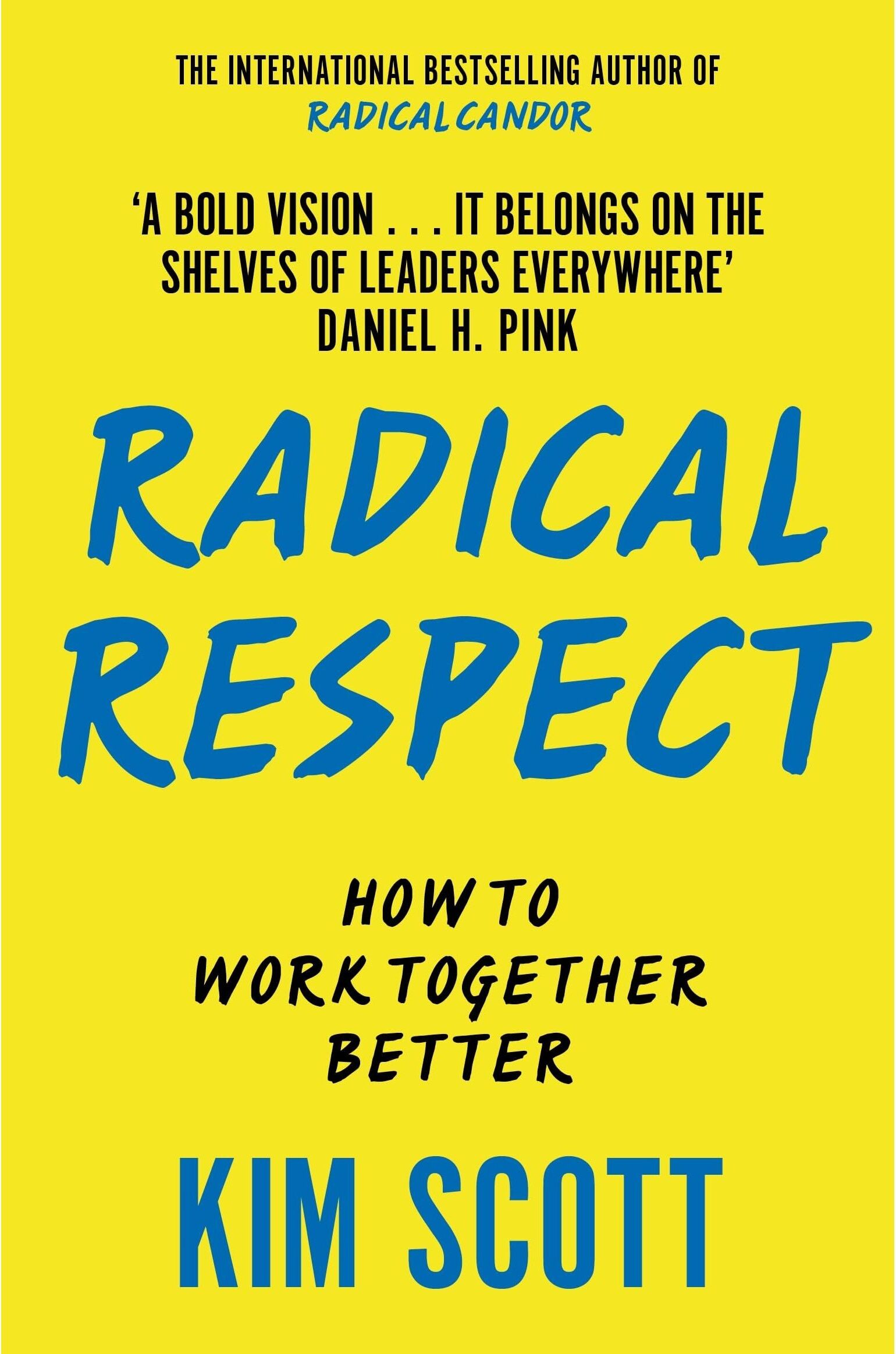
MACMILLAN Radical Respect by Kim Scott – Build a Fairer, Kinder & More Effective WorkplaceRadical Respect by Kim Scott is a powerful guide to building healthier, more respectful, and more effective workplaces.Drawing on years of leadership experience and deep research into communication, inclusion and behaviour, Scott explores how individuals and organisations can move beyond fear, toxicity and bias to create cultures where everyone can thrive. The book breaks down: What genuine respect looks like in everyday interactions How to navigate conflict without causing harm How to eliminate workplace bias, bullying and discrimination How leaders can build trust, safety and accountability How to encourage open, honest communication while valuing differences Practical, empathetic and eye-opening, Radical Respect is an essential read for leaders, HR teams, managers and anyone committed to improving the modern workplace.3,99 £*Shipping: 1,99 £Secure redirect to the provider



-
Is there enough farmland in the jungle?
There is limited farmland in the jungle due to the dense vegetation and lack of suitable soil for agriculture. While there may be some areas cleared for farming, the overall availability of farmland in the jungle is limited. Additionally, the fragile ecosystem of the jungle makes it important to preserve the existing land rather than clearing it for agriculture. **
-
Can plants and farmland tolerate brackish water?
Some plants and farmland can tolerate brackish water, but it depends on the specific species and the level of salinity in the water. Some plants, like mangroves and certain types of grasses, have adapted to thrive in brackish environments. However, high levels of salinity can be harmful to many crops and plants, as it can disrupt their ability to absorb water and nutrients. In some cases, farmers may use techniques like drip irrigation or planting salt-tolerant crops to mitigate the effects of brackish water on farmland. **
-
What exactly is meat that eats farmland?
Meat that eats farmland refers to the concept that a significant amount of agricultural land is used to grow crops that are then fed to livestock animals, which are ultimately raised for meat production. This process involves a large amount of land, water, and resources to sustain the livestock, and contributes to environmental issues such as deforestation, greenhouse gas emissions, and water pollution. Therefore, the term "meat that eats farmland" highlights the impact of meat production on the use of agricultural resources and its environmental implications. **
-
Who benefits when farmland becomes building land?
When farmland becomes building land, developers and landowners benefit as they can sell the land for a higher price. Local governments also benefit from increased property tax revenue. However, this conversion can have negative impacts on the environment and food security, as it reduces the amount of available farmland for agricultural production. Additionally, it can lead to the displacement of farmers and rural communities. **

What is an air safety training and a workplace safety training?
Air safety training is a program designed to educate individuals working in the aviation industry on how to prevent accidents and respond effectively in emergency situations. This training covers topics such as aircraft evacuation procedures, fire safety, and first aid. On the other hand, workplace safety training is a program that aims to educate employees on how to identify and mitigate potential hazards in the workplace to prevent accidents and injuries. This training typically covers topics such as proper lifting techniques, use of personal protective equipment, and emergency response protocols. Both types of training are essential to ensure the safety of individuals in their respective environments. **
What percentage of the mainland consists of farmland?
Approximately 40% of the mainland consists of farmland. This land is used for agricultural purposes such as growing crops and raising livestock. Farmland is essential for providing food and resources to support human populations. **
Top-Angebote
Products related to Farmland:
-
Uplift Treasures Cat Safety Window Protection Net protective Net2x1.5mProduct Description: Protect your pets from accidental falls with this Cat Safety Window Protection Net. Made from durable nylon and reinforced steel wire mesh, this protective barrier is ideal for balconies, windows, and garden areas, helping keep...112,97 $*Shipping: 0,00 $Secure redirect to the provider
-
All Categories Goods Emergency Survival Gas Mask With Dual Protection Filter & Safety Goggles Emergency Survival Gas Mask With Dual Protection Filter & Safety GogglesPrepare for the unexpected with the Emergency Survival Gas Mask, designed to protect you during hazardous situations. Whether youre navigating dangerous environments or preparing for natural disasters, this protective gear ensures your safety....47,97 $*Shipping: 0,00 $Secure redirect to the provider
-
What can be done on farmland?
Farmland can be used for a variety of agricultural activities such as growing crops, raising livestock, and cultivating fruits and vegetables. Farmers can also engage in activities like irrigation, fertilization, and pest control to ensure healthy and productive crops. Additionally, farmland can be used for agroforestry, agroecology, and other sustainable farming practices to promote biodiversity and environmental conservation. Overall, farmland provides a valuable resource for producing food, fiber, and other agricultural products essential for human consumption and economic development. **
-
What is the rental price for farmland?
The rental price for farmland can vary widely depending on factors such as location, soil quality, size of the land, and local market conditions. On average, rental prices for farmland in the United States can range from $50 to $200 per acre per year. However, in more desirable or productive agricultural regions, rental prices can be significantly higher. It is important for farmers and landowners to negotiate a fair rental price that takes into account all relevant factors. **
-
Is there enough farmland in the jungle?
There is limited farmland in the jungle due to the dense vegetation and lack of suitable soil for agriculture. While there may be some areas cleared for farming, the overall availability of farmland in the jungle is limited. Additionally, the fragile ecosystem of the jungle makes it important to preserve the existing land rather than clearing it for agriculture. **
-
Can plants and farmland tolerate brackish water?
Some plants and farmland can tolerate brackish water, but it depends on the specific species and the level of salinity in the water. Some plants, like mangroves and certain types of grasses, have adapted to thrive in brackish environments. However, high levels of salinity can be harmful to many crops and plants, as it can disrupt their ability to absorb water and nutrients. In some cases, farmers may use techniques like drip irrigation or planting salt-tolerant crops to mitigate the effects of brackish water on farmland. **
Similar search terms for Farmland
-
MACMILLAN Radical Respect by Kim Scott – Build a Fairer, Kinder & More Effective WorkplaceRadical Respect by Kim Scott is a powerful guide to building healthier, more respectful, and more effective workplaces.Drawing on years of leadership experience and deep research into communication, inclusion and behaviour, Scott explores how individuals and organisations can move beyond fear, toxicity and bias to create cultures where everyone can thrive. The book breaks down: What genuine respect looks like in everyday interactions How to navigate conflict without causing harm How to eliminate workplace bias, bullying and discrimination How leaders can build trust, safety and accountability How to encourage open, honest communication while valuing differences Practical, empathetic and eye-opening, Radical Respect is an essential read for leaders, HR teams, managers and anyone committed to improving the modern workplace.3,99 £*Shipping: 1,99 £Secure redirect to the provider
-
What exactly is meat that eats farmland?
Meat that eats farmland refers to the concept that a significant amount of agricultural land is used to grow crops that are then fed to livestock animals, which are ultimately raised for meat production. This process involves a large amount of land, water, and resources to sustain the livestock, and contributes to environmental issues such as deforestation, greenhouse gas emissions, and water pollution. Therefore, the term "meat that eats farmland" highlights the impact of meat production on the use of agricultural resources and its environmental implications. **
-
Who benefits when farmland becomes building land?
When farmland becomes building land, developers and landowners benefit as they can sell the land for a higher price. Local governments also benefit from increased property tax revenue. However, this conversion can have negative impacts on the environment and food security, as it reduces the amount of available farmland for agricultural production. Additionally, it can lead to the displacement of farmers and rural communities. **
-
What is an air safety training and a workplace safety training?
Air safety training is a program designed to educate individuals working in the aviation industry on how to prevent accidents and respond effectively in emergency situations. This training covers topics such as aircraft evacuation procedures, fire safety, and first aid. On the other hand, workplace safety training is a program that aims to educate employees on how to identify and mitigate potential hazards in the workplace to prevent accidents and injuries. This training typically covers topics such as proper lifting techniques, use of personal protective equipment, and emergency response protocols. Both types of training are essential to ensure the safety of individuals in their respective environments. **
-
What percentage of the mainland consists of farmland?
Approximately 40% of the mainland consists of farmland. This land is used for agricultural purposes such as growing crops and raising livestock. Farmland is essential for providing food and resources to support human populations. **
* All prices are inclusive of VAT and, if applicable, plus shipping costs. The offer information is based on the details provided by the respective shop and is updated through automated processes. Real-time updates do not occur, so deviations can occur in individual cases. ** Note: Parts of this content were created by AI.