Buy specjalista-bhp.eu ?
We are moving the project
specjalista-bhp.eu .
Are you interested in purchasing the domain
specjalista-bhp.eu ?
domain@kv-gmbh.de · 0541-91531010
Buy specjalista-bhp.eu ?
What are microscopes?
Microscopes are scientific instruments used to magnify and observe tiny objects that are not visible to the naked eye. They work by using lenses to focus light on the specimen, allowing for detailed examination of its structure and composition. Microscopes are commonly used in fields such as biology, medicine, chemistry, and materials science to study cells, microorganisms, crystals, and other small objects. There are different types of microscopes, including optical microscopes, electron microscopes, and scanning probe microscopes, each with its own specific capabilities and applications. **
What are the advantages and disadvantages of electron microscopes and light microscopes?
Electron microscopes have the advantage of higher resolution, allowing for the visualization of smaller structures such as individual molecules. They also have a greater magnification power compared to light microscopes. However, electron microscopes are more expensive, require specialized training to operate, and samples need to be placed in a vacuum, which can alter their natural state. On the other hand, light microscopes are more affordable, easier to use, and samples can be observed in their natural state without the need for special preparation. However, they have lower resolution and magnification capabilities compared to electron microscopes, limiting the ability to visualize very small structures. **


Similar search terms for Microscopes
Top-Angebote
Products related to Microscopes:
-
All Categories Goods Emergency Survival Gas Mask With Dual Protection Filter & Safety Goggles Emergency Survival Gas Mask With Dual Protection Filter & Safety GogglesPrepare for the unexpected with the Emergency Survival Gas Mask, designed to protect you during hazardous situations. Whether youre navigating dangerous environments or preparing for natural disasters, this protective gear ensures your safety....47,97 $*Shipping: 0,00 $Secure redirect to the provider
-
MACMILLAN Radical Respect by Kim Scott – Build a Fairer, Kinder & More Effective WorkplaceRadical Respect by Kim Scott is a powerful guide to building healthier, more respectful, and more effective workplaces.Drawing on years of leadership experience and deep research into communication, inclusion and behaviour, Scott explores how individuals and organisations can move beyond fear, toxicity and bias to create cultures where everyone can thrive. The book breaks down: What genuine respect looks like in everyday interactions How to navigate conflict without causing harm How to eliminate workplace bias, bullying and discrimination How leaders can build trust, safety and accountability How to encourage open, honest communication while valuing differences Practical, empathetic and eye-opening, Radical Respect is an essential read for leaders, HR teams, managers and anyone committed to improving the modern workplace.3,99 £*Shipping: 1,99 £Secure redirect to the provider
-
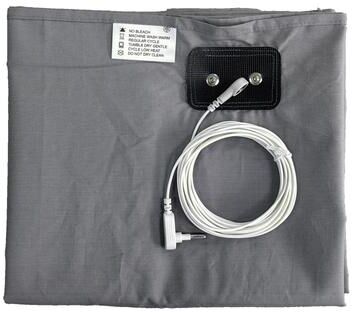
Uplifted Goods Elite Grounding Silver Fiber Health Protection Sheet white 60.24 X 104.33Experience the restorative benefits of the Earth from the comfort of your bedroom with the Elite Grounding Silver Fiber Health Protection Sheet. This professional grade wellness system is meticulously engineered with a 10% pure silver fiber weave...99,97 $*Shipping: 0,00 $Secure redirect to the provider




-
Why do biologists use light microscopes, even though electron microscopes offer much higher magnification?
Biologists use light microscopes because they are more versatile and can be used to observe living organisms in their natural state. Light microscopes also allow for the observation of a wider range of samples, including transparent or unstained specimens. Additionally, light microscopes are more affordable and easier to use compared to electron microscopes, making them more accessible to a wider range of researchers. **
-
How many microscopes for bacteria are there?
There are several types of microscopes that can be used to observe bacteria, including light microscopes, electron microscopes, and fluorescence microscopes. Each type of microscope has its own advantages and limitations for studying bacteria. For example, light microscopes are commonly used for observing live bacteria, while electron microscopes provide higher resolution images but require specialized sample preparation. Overall, there are multiple options for studying bacteria using microscopy, each with its own unique capabilities. **
-
What is the field of application for microscopes?
Microscopes are used in a wide range of fields including biology, medicine, chemistry, geology, and material science. In biology and medicine, microscopes are used to study cells, tissues, and microorganisms. In chemistry, they are used to analyze the structure of molecules and materials. In geology, microscopes are used to study minerals and rocks, while in material science, they are used to examine the structure and properties of various materials. Overall, microscopes are essential tools for studying and understanding the microscopic world. **
-
Do microscopes and telescopes have the same principle?
Microscopes and telescopes operate on similar principles of using lenses to magnify objects, but they are designed for different purposes. Microscopes are used to magnify small objects such as cells and microorganisms, while telescopes are used to observe distant objects in space. Both instruments rely on the manipulation of light to produce magnified images, but their specific designs and functions are tailored to their intended use. **

What is an air safety training and a workplace safety training?
Air safety training is a program designed to educate individuals working in the aviation industry on how to prevent accidents and respond effectively in emergency situations. This training covers topics such as aircraft evacuation procedures, fire safety, and first aid. On the other hand, workplace safety training is a program that aims to educate employees on how to identify and mitigate potential hazards in the workplace to prevent accidents and injuries. This training typically covers topics such as proper lifting techniques, use of personal protective equipment, and emergency response protocols. Both types of training are essential to ensure the safety of individuals in their respective environments. **
In which professions do people work exclusively with microscopes?
People who work exclusively with microscopes can be found in professions such as microbiology, histology, pathology, and certain fields of chemistry and materials science. Microbiologists study microorganisms, histologists examine the microscopic structure of tissues, pathologists analyze tissue samples for diseases, and scientists in chemistry and materials science use microscopes to study the properties and structures of materials at the microscopic level. These professionals rely on microscopes to conduct their research and analysis, making them an essential tool in their work. **
Top-Angebote
Products related to Microscopes:
-
Uplift Treasures Cat Safety Window Protection Net protective Net2x1.5mProduct Description: Protect your pets from accidental falls with this Cat Safety Window Protection Net. Made from durable nylon and reinforced steel wire mesh, this protective barrier is ideal for balconies, windows, and garden areas, helping keep...112,97 $*Shipping: 0,00 $Secure redirect to the provider
-
All Categories Goods Emergency Survival Gas Mask With Dual Protection Filter & Safety Goggles Emergency Survival Gas Mask With Dual Protection Filter & Safety GogglesPrepare for the unexpected with the Emergency Survival Gas Mask, designed to protect you during hazardous situations. Whether youre navigating dangerous environments or preparing for natural disasters, this protective gear ensures your safety....47,97 $*Shipping: 0,00 $Secure redirect to the provider
-
MACMILLAN Radical Respect by Kim Scott – Build a Fairer, Kinder & More Effective WorkplaceRadical Respect by Kim Scott is a powerful guide to building healthier, more respectful, and more effective workplaces.Drawing on years of leadership experience and deep research into communication, inclusion and behaviour, Scott explores how individuals and organisations can move beyond fear, toxicity and bias to create cultures where everyone can thrive. The book breaks down: What genuine respect looks like in everyday interactions How to navigate conflict without causing harm How to eliminate workplace bias, bullying and discrimination How leaders can build trust, safety and accountability How to encourage open, honest communication while valuing differences Practical, empathetic and eye-opening, Radical Respect is an essential read for leaders, HR teams, managers and anyone committed to improving the modern workplace.3,99 £*Shipping: 1,99 £Secure redirect to the provider
-
What are microscopes?
Microscopes are scientific instruments used to magnify and observe tiny objects that are not visible to the naked eye. They work by using lenses to focus light on the specimen, allowing for detailed examination of its structure and composition. Microscopes are commonly used in fields such as biology, medicine, chemistry, and materials science to study cells, microorganisms, crystals, and other small objects. There are different types of microscopes, including optical microscopes, electron microscopes, and scanning probe microscopes, each with its own specific capabilities and applications. **
-
What are the advantages and disadvantages of electron microscopes and light microscopes?
Electron microscopes have the advantage of higher resolution, allowing for the visualization of smaller structures such as individual molecules. They also have a greater magnification power compared to light microscopes. However, electron microscopes are more expensive, require specialized training to operate, and samples need to be placed in a vacuum, which can alter their natural state. On the other hand, light microscopes are more affordable, easier to use, and samples can be observed in their natural state without the need for special preparation. However, they have lower resolution and magnification capabilities compared to electron microscopes, limiting the ability to visualize very small structures. **
-
Why do biologists use light microscopes, even though electron microscopes offer much higher magnification?
Biologists use light microscopes because they are more versatile and can be used to observe living organisms in their natural state. Light microscopes also allow for the observation of a wider range of samples, including transparent or unstained specimens. Additionally, light microscopes are more affordable and easier to use compared to electron microscopes, making them more accessible to a wider range of researchers. **
-
How many microscopes for bacteria are there?
There are several types of microscopes that can be used to observe bacteria, including light microscopes, electron microscopes, and fluorescence microscopes. Each type of microscope has its own advantages and limitations for studying bacteria. For example, light microscopes are commonly used for observing live bacteria, while electron microscopes provide higher resolution images but require specialized sample preparation. Overall, there are multiple options for studying bacteria using microscopy, each with its own unique capabilities. **
Similar search terms for Microscopes
-
Uplifted Goods Elite Grounding Silver Fiber Health Protection Sheet white 60.24 X 104.33Experience the restorative benefits of the Earth from the comfort of your bedroom with the Elite Grounding Silver Fiber Health Protection Sheet. This professional grade wellness system is meticulously engineered with a 10% pure silver fiber weave...99,97 $*Shipping: 0,00 $Secure redirect to the provider
-
Uplifted Goods Elite Grounding Silver Fiber Health Protection Sheet grey 35.43 X 104.33Experience the restorative benefits of the Earth from the comfort of your bedroom with the Elite Grounding Silver Fiber Health Protection Sheet. This professional grade wellness system is meticulously engineered with a 10% pure silver fiber weave...74,97 $*Shipping: 0,00 $Secure redirect to the provider
-
What is the field of application for microscopes?
Microscopes are used in a wide range of fields including biology, medicine, chemistry, geology, and material science. In biology and medicine, microscopes are used to study cells, tissues, and microorganisms. In chemistry, they are used to analyze the structure of molecules and materials. In geology, microscopes are used to study minerals and rocks, while in material science, they are used to examine the structure and properties of various materials. Overall, microscopes are essential tools for studying and understanding the microscopic world. **
-
Do microscopes and telescopes have the same principle?
Microscopes and telescopes operate on similar principles of using lenses to magnify objects, but they are designed for different purposes. Microscopes are used to magnify small objects such as cells and microorganisms, while telescopes are used to observe distant objects in space. Both instruments rely on the manipulation of light to produce magnified images, but their specific designs and functions are tailored to their intended use. **
-
What is an air safety training and a workplace safety training?
Air safety training is a program designed to educate individuals working in the aviation industry on how to prevent accidents and respond effectively in emergency situations. This training covers topics such as aircraft evacuation procedures, fire safety, and first aid. On the other hand, workplace safety training is a program that aims to educate employees on how to identify and mitigate potential hazards in the workplace to prevent accidents and injuries. This training typically covers topics such as proper lifting techniques, use of personal protective equipment, and emergency response protocols. Both types of training are essential to ensure the safety of individuals in their respective environments. **
-
In which professions do people work exclusively with microscopes?
People who work exclusively with microscopes can be found in professions such as microbiology, histology, pathology, and certain fields of chemistry and materials science. Microbiologists study microorganisms, histologists examine the microscopic structure of tissues, pathologists analyze tissue samples for diseases, and scientists in chemistry and materials science use microscopes to study the properties and structures of materials at the microscopic level. These professionals rely on microscopes to conduct their research and analysis, making them an essential tool in their work. **
* All prices are inclusive of VAT and, if applicable, plus shipping costs. The offer information is based on the details provided by the respective shop and is updated through automated processes. Real-time updates do not occur, so deviations can occur in individual cases. ** Note: Parts of this content were created by AI.