Buy specjalista-bhp.eu ?
We are moving the project
specjalista-bhp.eu .
Are you interested in purchasing the domain
specjalista-bhp.eu ?
domain@kv-gmbh.de · 0541-91531010
Buy specjalista-bhp.eu ?
What is operant conditioning?
Operant conditioning is a type of learning in which behavior is strengthened or weakened based on the consequences that follow it. It involves the use of reinforcement and punishment to shape behavior. Reinforcement increases the likelihood of a behavior being repeated, while punishment decreases the likelihood of a behavior being repeated. This type of conditioning was developed by psychologist B.F. Skinner through his experiments with animals. **
What is operant conditioning in biology?
Operant conditioning in biology is a type of learning process where an organism's behavior is modified through reinforcement or punishment. This process involves the use of rewards or punishments to strengthen or weaken specific behaviors. Through operant conditioning, organisms learn to associate their actions with consequences, leading to changes in their behavior over time. This concept is widely used in studying animal behavior and training. **


Similar search terms for Operant
Top-Angebote
Products related to Operant:
-
All Categories Goods Emergency Survival Gas Mask With Dual Protection Filter & Safety Goggles Emergency Survival Gas Mask With Dual Protection Filter & Safety GogglesPrepare for the unexpected with the Emergency Survival Gas Mask, designed to protect you during hazardous situations. Whether youre navigating dangerous environments or preparing for natural disasters, this protective gear ensures your safety....47,97 $*Shipping: 0,00 $Secure redirect to the provider
-
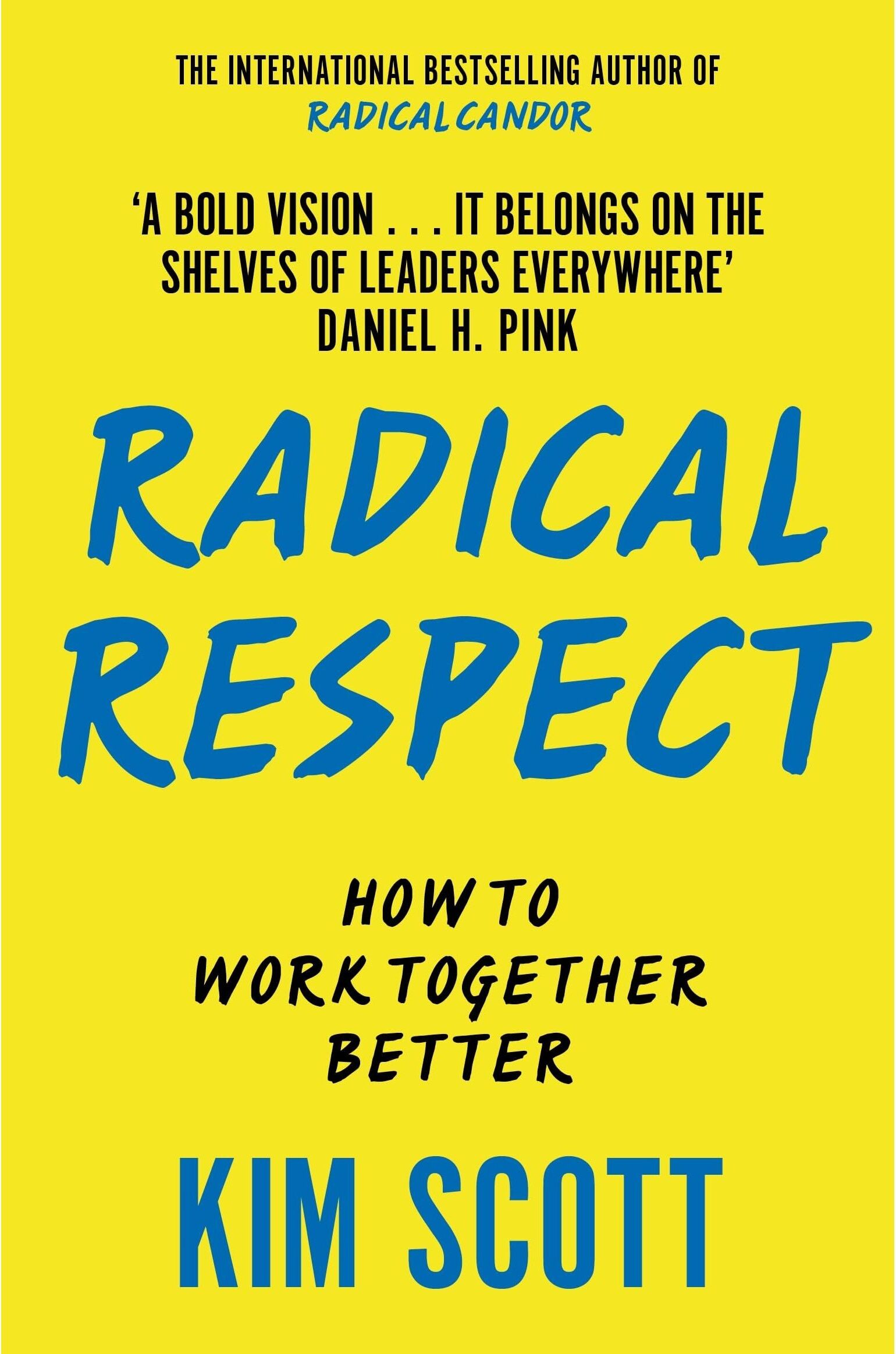
MACMILLAN Radical Respect by Kim Scott – Build a Fairer, Kinder & More Effective WorkplaceRadical Respect by Kim Scott is a powerful guide to building healthier, more respectful, and more effective workplaces.Drawing on years of leadership experience and deep research into communication, inclusion and behaviour, Scott explores how individuals and organisations can move beyond fear, toxicity and bias to create cultures where everyone can thrive. The book breaks down: What genuine respect looks like in everyday interactions How to navigate conflict without causing harm How to eliminate workplace bias, bullying and discrimination How leaders can build trust, safety and accountability How to encourage open, honest communication while valuing differences Practical, empathetic and eye-opening, Radical Respect is an essential read for leaders, HR teams, managers and anyone committed to improving the modern workplace.3,99 £*Shipping: 1,99 £Secure redirect to the provider
-
Uplifted Goods Elite Grounding Silver Fiber Health Protection Sheet white 60.24 X 104.33Experience the restorative benefits of the Earth from the comfort of your bedroom with the Elite Grounding Silver Fiber Health Protection Sheet. This professional grade wellness system is meticulously engineered with a 10% pure silver fiber weave...99,97 $*Shipping: 0,00 $Secure redirect to the provider



-
What is operant conditioning in education?
Operant conditioning in education is a learning theory that focuses on how behavior is influenced by consequences. It involves using reinforcement and punishment to shape and modify student behavior. Teachers can use operant conditioning techniques to encourage positive behaviors, such as completing assignments on time or participating in class discussions, by providing rewards or praise. Conversely, they can discourage negative behaviors, like talking out of turn or not following instructions, by implementing consequences such as loss of privileges or extra assignments. **
-
What is operant conditioning in behaviorism?
Operant conditioning is a type of learning in behaviorism that focuses on how behavior is influenced by its consequences. It involves the use of reinforcement and punishment to shape and modify behavior. In operant conditioning, behaviors that are followed by desirable consequences are more likely to be repeated, while behaviors followed by undesirable consequences are less likely to be repeated. This process helps individuals learn which behaviors are appropriate and which are not through the consequences they experience. **
-
What is contingency in operant conditioning?
Contingency in operant conditioning refers to the relationship between a behavior and its consequences. It is the idea that a specific behavior will result in a specific outcome or consequence. For example, in a reinforcement contingency, a behavior is followed by a reward, which increases the likelihood of that behavior occurring again in the future. In contrast, in a punishment contingency, a behavior is followed by a negative consequence, which decreases the likelihood of that behavior occurring again. Contingency is a fundamental concept in operant conditioning and helps to explain how behaviors are learned and maintained. **
-
What is an example of operant conditioning?
An example of operant conditioning is a student receiving a sticker for completing their homework. In this scenario, the sticker serves as a positive reinforcement for the desired behavior of completing homework. Over time, the student is more likely to continue completing their homework in order to receive more stickers, demonstrating the principles of operant conditioning. **


What are the effects of operant conditioning?
Operant conditioning is a type of learning in which behaviors are strengthened or weakened based on the consequences that follow them. The effects of operant conditioning include shaping new behaviors, increasing the likelihood of a behavior occurring through reinforcement, and decreasing the likelihood of a behavior occurring through punishment. It can also help in understanding how rewards and punishments influence behavior in various settings, such as in education, parenting, and therapy. Overall, operant conditioning plays a significant role in shaping behavior and learning in both humans and animals. **
What are good punishments for operant conditioning?
Good punishments for operant conditioning should be immediate, consistent, and appropriate to the behavior being targeted. Examples of effective punishments could include time-outs, loss of privileges, or removal of a desired item or activity. It's important that the punishment is not overly harsh or abusive, and that it is used in conjunction with positive reinforcement to encourage the desired behavior. Additionally, punishments should be used sparingly and in combination with clear communication and guidance to help the individual understand why the punishment is being given and how they can change their behavior in the future. **
Top-Angebote
Products related to Operant:
-
Uplift Treasures Cat Safety Window Protection Net protective Net2x1.5mProduct Description: Protect your pets from accidental falls with this Cat Safety Window Protection Net. Made from durable nylon and reinforced steel wire mesh, this protective barrier is ideal for balconies, windows, and garden areas, helping keep...112,97 $*Shipping: 0,00 $Secure redirect to the provider
-
All Categories Goods Emergency Survival Gas Mask With Dual Protection Filter & Safety Goggles Emergency Survival Gas Mask With Dual Protection Filter & Safety GogglesPrepare for the unexpected with the Emergency Survival Gas Mask, designed to protect you during hazardous situations. Whether youre navigating dangerous environments or preparing for natural disasters, this protective gear ensures your safety....47,97 $*Shipping: 0,00 $Secure redirect to the provider
-
MACMILLAN Radical Respect by Kim Scott – Build a Fairer, Kinder & More Effective WorkplaceRadical Respect by Kim Scott is a powerful guide to building healthier, more respectful, and more effective workplaces.Drawing on years of leadership experience and deep research into communication, inclusion and behaviour, Scott explores how individuals and organisations can move beyond fear, toxicity and bias to create cultures where everyone can thrive. The book breaks down: What genuine respect looks like in everyday interactions How to navigate conflict without causing harm How to eliminate workplace bias, bullying and discrimination How leaders can build trust, safety and accountability How to encourage open, honest communication while valuing differences Practical, empathetic and eye-opening, Radical Respect is an essential read for leaders, HR teams, managers and anyone committed to improving the modern workplace.3,99 £*Shipping: 1,99 £Secure redirect to the provider
-
What is operant conditioning?
Operant conditioning is a type of learning in which behavior is strengthened or weakened based on the consequences that follow it. It involves the use of reinforcement and punishment to shape behavior. Reinforcement increases the likelihood of a behavior being repeated, while punishment decreases the likelihood of a behavior being repeated. This type of conditioning was developed by psychologist B.F. Skinner through his experiments with animals. **
-
What is operant conditioning in biology?
Operant conditioning in biology is a type of learning process where an organism's behavior is modified through reinforcement or punishment. This process involves the use of rewards or punishments to strengthen or weaken specific behaviors. Through operant conditioning, organisms learn to associate their actions with consequences, leading to changes in their behavior over time. This concept is widely used in studying animal behavior and training. **
-
What is operant conditioning in education?
Operant conditioning in education is a learning theory that focuses on how behavior is influenced by consequences. It involves using reinforcement and punishment to shape and modify student behavior. Teachers can use operant conditioning techniques to encourage positive behaviors, such as completing assignments on time or participating in class discussions, by providing rewards or praise. Conversely, they can discourage negative behaviors, like talking out of turn or not following instructions, by implementing consequences such as loss of privileges or extra assignments. **
-
What is operant conditioning in behaviorism?
Operant conditioning is a type of learning in behaviorism that focuses on how behavior is influenced by its consequences. It involves the use of reinforcement and punishment to shape and modify behavior. In operant conditioning, behaviors that are followed by desirable consequences are more likely to be repeated, while behaviors followed by undesirable consequences are less likely to be repeated. This process helps individuals learn which behaviors are appropriate and which are not through the consequences they experience. **
Similar search terms for Operant
-
Uplifted Goods Elite Grounding Silver Fiber Health Protection Sheet white 60.24 X 104.33Experience the restorative benefits of the Earth from the comfort of your bedroom with the Elite Grounding Silver Fiber Health Protection Sheet. This professional grade wellness system is meticulously engineered with a 10% pure silver fiber weave...99,97 $*Shipping: 0,00 $Secure redirect to the provider
-
Uplifted Goods Elite Grounding Silver Fiber Health Protection Sheet grey 35.43 X 104.33Experience the restorative benefits of the Earth from the comfort of your bedroom with the Elite Grounding Silver Fiber Health Protection Sheet. This professional grade wellness system is meticulously engineered with a 10% pure silver fiber weave...74,97 $*Shipping: 0,00 $Secure redirect to the provider
-
What is contingency in operant conditioning?
Contingency in operant conditioning refers to the relationship between a behavior and its consequences. It is the idea that a specific behavior will result in a specific outcome or consequence. For example, in a reinforcement contingency, a behavior is followed by a reward, which increases the likelihood of that behavior occurring again in the future. In contrast, in a punishment contingency, a behavior is followed by a negative consequence, which decreases the likelihood of that behavior occurring again. Contingency is a fundamental concept in operant conditioning and helps to explain how behaviors are learned and maintained. **
-
What is an example of operant conditioning?
An example of operant conditioning is a student receiving a sticker for completing their homework. In this scenario, the sticker serves as a positive reinforcement for the desired behavior of completing homework. Over time, the student is more likely to continue completing their homework in order to receive more stickers, demonstrating the principles of operant conditioning. **
-
What are the effects of operant conditioning?
Operant conditioning is a type of learning in which behaviors are strengthened or weakened based on the consequences that follow them. The effects of operant conditioning include shaping new behaviors, increasing the likelihood of a behavior occurring through reinforcement, and decreasing the likelihood of a behavior occurring through punishment. It can also help in understanding how rewards and punishments influence behavior in various settings, such as in education, parenting, and therapy. Overall, operant conditioning plays a significant role in shaping behavior and learning in both humans and animals. **
-
What are good punishments for operant conditioning?
Good punishments for operant conditioning should be immediate, consistent, and appropriate to the behavior being targeted. Examples of effective punishments could include time-outs, loss of privileges, or removal of a desired item or activity. It's important that the punishment is not overly harsh or abusive, and that it is used in conjunction with positive reinforcement to encourage the desired behavior. Additionally, punishments should be used sparingly and in combination with clear communication and guidance to help the individual understand why the punishment is being given and how they can change their behavior in the future. **
* All prices are inclusive of VAT and, if applicable, plus shipping costs. The offer information is based on the details provided by the respective shop and is updated through automated processes. Real-time updates do not occur, so deviations can occur in individual cases. ** Note: Parts of this content were created by AI.