Buy specjalista-bhp.eu ?
We are moving the project
specjalista-bhp.eu .
Are you interested in purchasing the domain
specjalista-bhp.eu ?
domain@kv-gmbh.de · 0541-91531010
Buy specjalista-bhp.eu ?
'Will + participle 2?'
"Will + participle 2" is a construction used to form the future perfect tense in English. It is used to indicate an action that will be completed before a specific point in the future. This construction is formed by using the auxiliary verb "will" followed by the past participle of the main verb. For example, "By the time you arrive, I will have finished my homework." **
What are the Latin forms of the present participle, perfect passive participle, and future active participle?
The Latin present participle is formed by adding -ns, -ntis to the present stem of the verb. For example, the present participle of the verb "amo" (I love) is "amans, amantis" (loving). The perfect passive participle is formed by adding -us, -a, -um to the verb stem. For example, the perfect passive participle of the verb "amo" is "amatus, amata, amatum" (loved). The future active participle is formed by adding -urus, -ura, -urum to the verb stem. For example, the future active participle of the verb "amo" is "amaturus, amatura, amaturum" (about to love). **

Similar search terms for Participle
Top-Angebote
Products related to Participle:
-
Uplift Treasures Cat Safety Window Protection Net protective Net2x1.5mProduct Description: Protect your pets from accidental falls with this Cat Safety Window Protection Net. Made from durable nylon and reinforced steel wire mesh, this protective barrier is ideal for balconies, windows, and garden areas, helping keep...112,97 $*Shipping: 0,00 $Secure redirect to the provider
-
All Categories Goods Emergency Survival Gas Mask With Dual Protection Filter & Safety Goggles Emergency Survival Gas Mask With Dual Protection Filter & Safety GogglesPrepare for the unexpected with the Emergency Survival Gas Mask, designed to protect you during hazardous situations. Whether youre navigating dangerous environments or preparing for natural disasters, this protective gear ensures your safety....47,97 $*Shipping: 0,00 $Secure redirect to the provider
-
CaseAndConnect TA806 Smartwatch Charger Clip 1m Fast Charging Cable With Safety Protection TA806 Smartwatch Charger Clip 1m Fast Charging Cable With Safety ProtectionStay powered without the frustration of unreliable charging. This Beidou TA806 watch charger is designed for users who need a dependable, fast, and safe way to keep their smartwatch ready at all times. Built with precision pin connectors and stable...44,97 $*Shipping: 0,00 $Secure redirect to the provider
-
Happy Pet Pantry Natural Cat Scratch Repellent Spray For Furniture Protection & Training Natural Cat Scratch Repellent Spray For Furniture Protection & TrainingProtect your home from unwanted scratches, chewing, and messy accidents with a gentle yet effective solution designed for everyday pet behavior challenges. This Cat Scratch Repellent Spray helps discourage cats from damaging sofas, beds, and other...31,97 $*Shipping: 0,00 $Secure redirect to the provider



-
What is a participle?
A participle is a form of a verb that can function as an adjective or be part of a verb phrase. There are two types of participles in English: the present participle, which ends in -ing (e.g. "walking"), and the past participle, which can end in -ed, -en, -d, -t, -n, or -ne (e.g. "broken"). Participles are used to modify nouns or pronouns, and they can also be used to form verb tenses such as the present perfect or past perfect. **
-
What are participle clauses?
Participle clauses are a type of clause that uses a present participle (-ing form) or a past participle (-ed form) to provide additional information about the subject of the main clause. They can be used to show simultaneous actions, cause and effect, or to provide descriptive details. For example, in the sentence "Feeling tired, she decided to go to bed," the participle clause "Feeling tired" provides additional information about the subject "she." **
-
What is the difference between the past participle and the present participle?
The past participle is a verb form used to indicate a completed action or state that occurred in the past. It is often used with auxiliary verbs to form the perfect tenses (e.g., "has eaten," "had gone"). The present participle, on the other hand, is a verb form used to indicate an ongoing action or state in the present or future. It is formed by adding "-ing" to the base form of the verb and is used to create the progressive tenses (e.g., "is eating," "will be going"). **
-
How can the terms premature, simultaneous, and subsequent be explained in relation to past participle, present participle, and future participle?
The terms premature, simultaneous, and subsequent can be explained in relation to past participle, present participle, and future participle based on their timing in relation to the action of the verb. The past participle refers to an action that has already been completed, making it premature in relation to the present moment. The present participle refers to an action that is happening at the same time as something else, making it simultaneous. The future participle refers to an action that will happen at a later time, making it subsequent to the present moment. These terms help to clarify the timing of the action in relation to the verb. **

What is an air safety training and a workplace safety training?
Air safety training is a program designed to educate individuals working in the aviation industry on how to prevent accidents and respond effectively in emergency situations. This training covers topics such as aircraft evacuation procedures, fire safety, and first aid. On the other hand, workplace safety training is a program that aims to educate employees on how to identify and mitigate potential hazards in the workplace to prevent accidents and injuries. This training typically covers topics such as proper lifting techniques, use of personal protective equipment, and emergency response protocols. Both types of training are essential to ensure the safety of individuals in their respective environments. **
What is a substantivized participle?
A substantivized participle is a verb form that has been turned into a noun by adding a definite article and declining it for case, gender, and number. In other words, it is a participle that has been transformed into a noun and can function as a subject, object, or complement in a sentence. This process allows the participle to take on the characteristics of a noun while still retaining some of its verbal qualities. **
Top-Angebote
Products related to Participle:
-
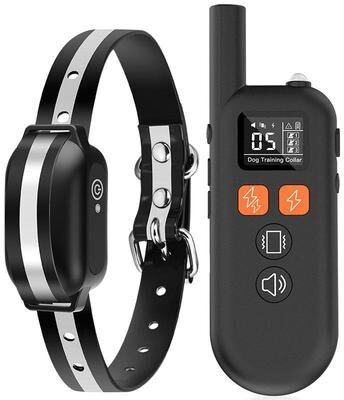
Everyday Crate PawControl Waterproof Dog Training Collar With Remote & IP67 Protection PawControl Waterproof Dog Training Collar With Remote & IP67 ProtectionA wellbehaved dog means more enjoyable walks, safer adventures, and greater peace of mind. The waterproof dog training collar is designed for pet owners who want an effective, reliable way to reinforce commands and reduce unwanted behaviors. Built...74,97 $*Shipping: 0,00 $Secure redirect to the provider
-
Uplift Treasures Cat Safety Window Protection Net protective Net2x1.5mProduct Description: Protect your pets from accidental falls with this Cat Safety Window Protection Net. Made from durable nylon and reinforced steel wire mesh, this protective barrier is ideal for balconies, windows, and garden areas, helping keep...112,97 $*Shipping: 0,00 $Secure redirect to the provider
-
All Categories Goods Emergency Survival Gas Mask With Dual Protection Filter & Safety Goggles Emergency Survival Gas Mask With Dual Protection Filter & Safety GogglesPrepare for the unexpected with the Emergency Survival Gas Mask, designed to protect you during hazardous situations. Whether youre navigating dangerous environments or preparing for natural disasters, this protective gear ensures your safety....47,97 $*Shipping: 0,00 $Secure redirect to the provider
-
'Will + participle 2?'
"Will + participle 2" is a construction used to form the future perfect tense in English. It is used to indicate an action that will be completed before a specific point in the future. This construction is formed by using the auxiliary verb "will" followed by the past participle of the main verb. For example, "By the time you arrive, I will have finished my homework." **
-
What are the Latin forms of the present participle, perfect passive participle, and future active participle?
The Latin present participle is formed by adding -ns, -ntis to the present stem of the verb. For example, the present participle of the verb "amo" (I love) is "amans, amantis" (loving). The perfect passive participle is formed by adding -us, -a, -um to the verb stem. For example, the perfect passive participle of the verb "amo" is "amatus, amata, amatum" (loved). The future active participle is formed by adding -urus, -ura, -urum to the verb stem. For example, the future active participle of the verb "amo" is "amaturus, amatura, amaturum" (about to love). **
-
What is a participle?
A participle is a form of a verb that can function as an adjective or be part of a verb phrase. There are two types of participles in English: the present participle, which ends in -ing (e.g. "walking"), and the past participle, which can end in -ed, -en, -d, -t, -n, or -ne (e.g. "broken"). Participles are used to modify nouns or pronouns, and they can also be used to form verb tenses such as the present perfect or past perfect. **
-
What are participle clauses?
Participle clauses are a type of clause that uses a present participle (-ing form) or a past participle (-ed form) to provide additional information about the subject of the main clause. They can be used to show simultaneous actions, cause and effect, or to provide descriptive details. For example, in the sentence "Feeling tired, she decided to go to bed," the participle clause "Feeling tired" provides additional information about the subject "she." **
Similar search terms for Participle
-
CaseAndConnect TA806 Smartwatch Charger Clip 1m Fast Charging Cable With Safety Protection TA806 Smartwatch Charger Clip 1m Fast Charging Cable With Safety ProtectionStay powered without the frustration of unreliable charging. This Beidou TA806 watch charger is designed for users who need a dependable, fast, and safe way to keep their smartwatch ready at all times. Built with precision pin connectors and stable...44,97 $*Shipping: 0,00 $Secure redirect to the provider
-
Happy Pet Pantry Natural Cat Scratch Repellent Spray For Furniture Protection & Training Natural Cat Scratch Repellent Spray For Furniture Protection & TrainingProtect your home from unwanted scratches, chewing, and messy accidents with a gentle yet effective solution designed for everyday pet behavior challenges. This Cat Scratch Repellent Spray helps discourage cats from damaging sofas, beds, and other...31,97 $*Shipping: 0,00 $Secure redirect to the provider
-
Uplifted Goods Elite Grounding Silver Fiber Health Protection Sheet white 77.95 X 79.92Experience the restorative benefits of the Earth from the comfort of your bedroom with the Elite Grounding Silver Fiber Health Protection Sheet. This professional grade wellness system is meticulously engineered with a 10% pure silver fiber weave...99,97 $*Shipping: 0,00 $Secure redirect to the provider
-
What is the difference between the past participle and the present participle?
The past participle is a verb form used to indicate a completed action or state that occurred in the past. It is often used with auxiliary verbs to form the perfect tenses (e.g., "has eaten," "had gone"). The present participle, on the other hand, is a verb form used to indicate an ongoing action or state in the present or future. It is formed by adding "-ing" to the base form of the verb and is used to create the progressive tenses (e.g., "is eating," "will be going"). **
-
How can the terms premature, simultaneous, and subsequent be explained in relation to past participle, present participle, and future participle?
The terms premature, simultaneous, and subsequent can be explained in relation to past participle, present participle, and future participle based on their timing in relation to the action of the verb. The past participle refers to an action that has already been completed, making it premature in relation to the present moment. The present participle refers to an action that is happening at the same time as something else, making it simultaneous. The future participle refers to an action that will happen at a later time, making it subsequent to the present moment. These terms help to clarify the timing of the action in relation to the verb. **
-
What is an air safety training and a workplace safety training?
Air safety training is a program designed to educate individuals working in the aviation industry on how to prevent accidents and respond effectively in emergency situations. This training covers topics such as aircraft evacuation procedures, fire safety, and first aid. On the other hand, workplace safety training is a program that aims to educate employees on how to identify and mitigate potential hazards in the workplace to prevent accidents and injuries. This training typically covers topics such as proper lifting techniques, use of personal protective equipment, and emergency response protocols. Both types of training are essential to ensure the safety of individuals in their respective environments. **
-
What is a substantivized participle?
A substantivized participle is a verb form that has been turned into a noun by adding a definite article and declining it for case, gender, and number. In other words, it is a participle that has been transformed into a noun and can function as a subject, object, or complement in a sentence. This process allows the participle to take on the characteristics of a noun while still retaining some of its verbal qualities. **
* All prices are inclusive of VAT and, if applicable, plus shipping costs. The offer information is based on the details provided by the respective shop and is updated through automated processes. Real-time updates do not occur, so deviations can occur in individual cases. ** Note: Parts of this content were created by AI.