Buy specjalista-bhp.eu ?
We are moving the project
specjalista-bhp.eu .
Are you interested in purchasing the domain
specjalista-bhp.eu ?
domain@kv-gmbh.de · 0541-91531010
Buy specjalista-bhp.eu ?
After pilot training, who becomes the captain or co-pilot?
After pilot training, the most common path to becoming a captain or co-pilot is to gain experience as a first officer, also known as a co-pilot. First officers typically accumulate flight hours and experience working alongside a captain before being promoted to the role of captain. This progression allows pilots to develop the necessary skills and knowledge to safely and effectively operate as the pilot in command of an aircraft. **
What is an air safety training and a workplace safety training?
Air safety training is a program designed to educate individuals working in the aviation industry on how to prevent accidents and respond effectively in emergency situations. This training covers topics such as aircraft evacuation procedures, fire safety, and first aid. On the other hand, workplace safety training is a program that aims to educate employees on how to identify and mitigate potential hazards in the workplace to prevent accidents and injuries. This training typically covers topics such as proper lifting techniques, use of personal protective equipment, and emergency response protocols. Both types of training are essential to ensure the safety of individuals in their respective environments. **
Similar search terms for Pilot
Top-Angebote
Products related to Pilot:
-
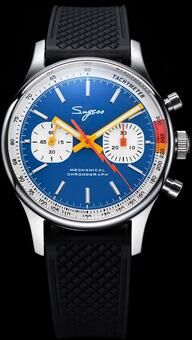
Uplifted Goods Mechanical Pilot Chronograph Watch m normal MovementThis mechanical pilot chronograph embodies rugged elegance and vintage flair. With its aviationinspired design and reliable manual movement, its crafted for enthusiasts who value precise craftsmanship and classic aesthetics. Key Features Handwound...354,97 $*Shipping: 0,00 $Secure redirect to the provider
-
Uplifted Goods Mechanical Pilot Chronograph Watch e normal MovementThis mechanical pilot chronograph embodies rugged elegance and vintage flair. With its aviationinspired design and reliable manual movement, its crafted for enthusiasts who value precise craftsmanship and classic aesthetics. Key Features Handwound...354,97 $*Shipping: 0,00 $Secure redirect to the provider
-
Uplifted Goods Mechanical Pilot Chronograph Watch l normal MovementThis mechanical pilot chronograph embodies rugged elegance and vintage flair. With its aviationinspired design and reliable manual movement, its crafted for enthusiasts who value precise craftsmanship and classic aesthetics. Key Features Handwound...354,97 $*Shipping: 0,00 $Secure redirect to the provider
-
Uplifted Goods Mechanical Pilot Chronograph Watch d normal MovementThis mechanical pilot chronograph embodies rugged elegance and vintage flair. With its aviationinspired design and reliable manual movement, its crafted for enthusiasts who value precise craftsmanship and classic aesthetics. Key Features Handwound...354,97 $*Shipping: 0,00 $Secure redirect to the provider


-
How long does pilot training take?
Pilot training can take anywhere from 6 months to several years, depending on the type of pilot license being pursued and the individual's schedule and pace of learning. For a private pilot license (PPL), it typically takes around 6-12 months of part-time training. For a commercial pilot license (CPL), it can take 18-24 months of full-time training. Additional training and experience may be required for specific endorsements or ratings, such as instrument rating or multi-engine rating. Overall, the length of pilot training can vary based on the individual's commitment, the flight school's program, and the specific aviation career goals. **
-
Why is pilot training so expensive?
Pilot training is expensive due to the high costs associated with aircraft rental, fuel, instructor fees, and maintenance. Additionally, the extensive training hours required to become a pilot contribute to the overall cost. The advanced technology and equipment used in pilot training also add to the expenses. Overall, the combination of these factors makes pilot training a significant financial investment. **
-
How much does pilot training cost?
The cost of pilot training can vary widely depending on the type of aircraft you want to fly, the location of the training, and the specific program you choose. Generally, the cost of obtaining a private pilot's license can range from $8,000 to $15,000. However, if you want to become a commercial pilot or pursue additional ratings and certifications, the cost can increase significantly, potentially reaching $80,000 or more. It's important to research and compare different training programs to find one that fits your budget and career goals. **
-
How can I pay for pilot training?
There are several ways to pay for pilot training. You can apply for scholarships or grants specifically for aviation students, take out a loan from a financial institution, or enroll in a flight school that offers financing options. Some aspiring pilots also choose to work part-time while training to help cover the costs. Additionally, some airlines offer sponsorship programs where they cover the cost of training in exchange for a commitment to work for them after completing the program. **
What are the options for pilot training?
There are several options for pilot training, including obtaining a private pilot license (PPL), commercial pilot license (CPL), and airline transport pilot license (ATPL). Individuals can choose to attend a flight school or aviation academy to receive structured training and education. Another option is to join a college or university aviation program that offers a degree in aviation or aeronautical science with pilot training. Additionally, some individuals may choose to receive training through the military and become a military pilot. Each option has its own requirements, costs, and time commitments, so it's important to research and consider which path best fits one's goals and circumstances. **
How can the pilot training be shortened?
Pilot training can be shortened by implementing more efficient and focused training programs that prioritize essential skills and knowledge. This can be achieved through the use of advanced flight simulators, which can provide realistic training scenarios without the need for actual flight time. Additionally, streamlining the curriculum to focus on the most critical aspects of piloting and utilizing technology for self-paced learning can also help to shorten the overall training duration. Finally, mentorship and on-the-job training opportunities can provide valuable real-world experience and accelerate the learning process for aspiring pilots. **
Top-Angebote
Products related to Pilot:
-
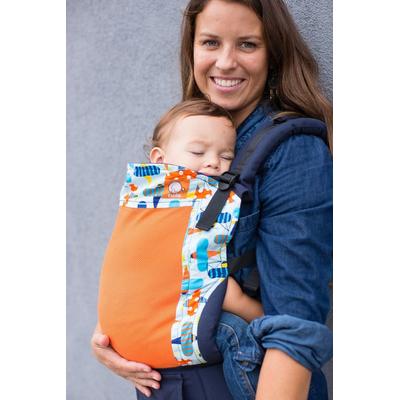
Tula Baby Carrier - Coast PilotHead out on flight-tastic adventures and stay comfy and cool in a Tula Coast carrier, made with breathable mesh. Coast 'Pilot' is full of bold, playful style with a light blue skyscape filled with cute patterned airplanes in flight. A pop of color...149,00 $*Shipping: 0,00 $Secure redirect to the provider
-
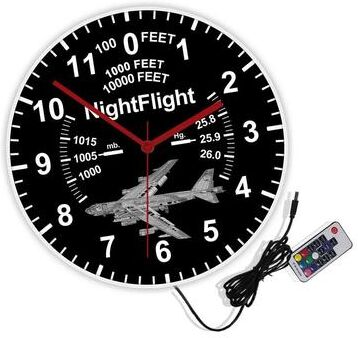
Uplift Picks Airplane LED Neon Wall Clock Luminous Aviation Pilot Decor Airplane LED Neon Wall Clock Luminous Aviation Pilot DecorTake your space to new heights with this bold airplane wall clock designed for aviation enthusiasts and modern dcor lovers. Combining striking visuals with functionality, this LED neon wall clock doubles as both a timepiece and a glowing statement...135,00 $*Shipping: 0,00 $Secure redirect to the provider
-
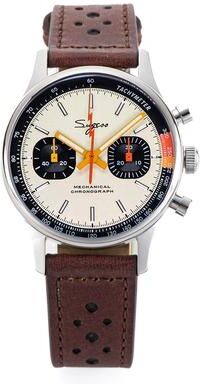
Uplifted Goods Mechanical Pilot Chronograph Watch m normal MovementThis mechanical pilot chronograph embodies rugged elegance and vintage flair. With its aviationinspired design and reliable manual movement, its crafted for enthusiasts who value precise craftsmanship and classic aesthetics. Key Features Handwound...354,97 $*Shipping: 0,00 $Secure redirect to the provider
-
Uplifted Goods Mechanical Pilot Chronograph Watch e normal MovementThis mechanical pilot chronograph embodies rugged elegance and vintage flair. With its aviationinspired design and reliable manual movement, its crafted for enthusiasts who value precise craftsmanship and classic aesthetics. Key Features Handwound...354,97 $*Shipping: 0,00 $Secure redirect to the provider
-
After pilot training, who becomes the captain or co-pilot?
After pilot training, the most common path to becoming a captain or co-pilot is to gain experience as a first officer, also known as a co-pilot. First officers typically accumulate flight hours and experience working alongside a captain before being promoted to the role of captain. This progression allows pilots to develop the necessary skills and knowledge to safely and effectively operate as the pilot in command of an aircraft. **
-
What is an air safety training and a workplace safety training?
Air safety training is a program designed to educate individuals working in the aviation industry on how to prevent accidents and respond effectively in emergency situations. This training covers topics such as aircraft evacuation procedures, fire safety, and first aid. On the other hand, workplace safety training is a program that aims to educate employees on how to identify and mitigate potential hazards in the workplace to prevent accidents and injuries. This training typically covers topics such as proper lifting techniques, use of personal protective equipment, and emergency response protocols. Both types of training are essential to ensure the safety of individuals in their respective environments. **
-
How long does pilot training take?
Pilot training can take anywhere from 6 months to several years, depending on the type of pilot license being pursued and the individual's schedule and pace of learning. For a private pilot license (PPL), it typically takes around 6-12 months of part-time training. For a commercial pilot license (CPL), it can take 18-24 months of full-time training. Additional training and experience may be required for specific endorsements or ratings, such as instrument rating or multi-engine rating. Overall, the length of pilot training can vary based on the individual's commitment, the flight school's program, and the specific aviation career goals. **
-
Why is pilot training so expensive?
Pilot training is expensive due to the high costs associated with aircraft rental, fuel, instructor fees, and maintenance. Additionally, the extensive training hours required to become a pilot contribute to the overall cost. The advanced technology and equipment used in pilot training also add to the expenses. Overall, the combination of these factors makes pilot training a significant financial investment. **
Similar search terms for Pilot
-
Uplifted Goods Mechanical Pilot Chronograph Watch l normal MovementThis mechanical pilot chronograph embodies rugged elegance and vintage flair. With its aviationinspired design and reliable manual movement, its crafted for enthusiasts who value precise craftsmanship and classic aesthetics. Key Features Handwound...354,97 $*Shipping: 0,00 $Secure redirect to the provider
-
Uplifted Goods Mechanical Pilot Chronograph Watch d normal MovementThis mechanical pilot chronograph embodies rugged elegance and vintage flair. With its aviationinspired design and reliable manual movement, its crafted for enthusiasts who value precise craftsmanship and classic aesthetics. Key Features Handwound...354,97 $*Shipping: 0,00 $Secure redirect to the provider
-
Uplifted Goods Mechanical Pilot Chronograph Watch b normal MovementThis mechanical pilot chronograph embodies rugged elegance and vintage flair. With its aviationinspired design and reliable manual movement, its crafted for enthusiasts who value precise craftsmanship and classic aesthetics. Key Features Handwound...354,97 $*Shipping: 0,00 $Secure redirect to the provider
-
Uplifted Goods Mechanical Pilot Chronograph Watch c normal MovementThis mechanical pilot chronograph embodies rugged elegance and vintage flair. With its aviationinspired design and reliable manual movement, its crafted for enthusiasts who value precise craftsmanship and classic aesthetics. Key Features Handwound...354,97 $*Shipping: 0,00 $Secure redirect to the provider
-
How much does pilot training cost?
The cost of pilot training can vary widely depending on the type of aircraft you want to fly, the location of the training, and the specific program you choose. Generally, the cost of obtaining a private pilot's license can range from $8,000 to $15,000. However, if you want to become a commercial pilot or pursue additional ratings and certifications, the cost can increase significantly, potentially reaching $80,000 or more. It's important to research and compare different training programs to find one that fits your budget and career goals. **
-
How can I pay for pilot training?
There are several ways to pay for pilot training. You can apply for scholarships or grants specifically for aviation students, take out a loan from a financial institution, or enroll in a flight school that offers financing options. Some aspiring pilots also choose to work part-time while training to help cover the costs. Additionally, some airlines offer sponsorship programs where they cover the cost of training in exchange for a commitment to work for them after completing the program. **
-
What are the options for pilot training?
There are several options for pilot training, including obtaining a private pilot license (PPL), commercial pilot license (CPL), and airline transport pilot license (ATPL). Individuals can choose to attend a flight school or aviation academy to receive structured training and education. Another option is to join a college or university aviation program that offers a degree in aviation or aeronautical science with pilot training. Additionally, some individuals may choose to receive training through the military and become a military pilot. Each option has its own requirements, costs, and time commitments, so it's important to research and consider which path best fits one's goals and circumstances. **
-
How can the pilot training be shortened?
Pilot training can be shortened by implementing more efficient and focused training programs that prioritize essential skills and knowledge. This can be achieved through the use of advanced flight simulators, which can provide realistic training scenarios without the need for actual flight time. Additionally, streamlining the curriculum to focus on the most critical aspects of piloting and utilizing technology for self-paced learning can also help to shorten the overall training duration. Finally, mentorship and on-the-job training opportunities can provide valuable real-world experience and accelerate the learning process for aspiring pilots. **
* All prices are inclusive of VAT and, if applicable, plus shipping costs. The offer information is based on the details provided by the respective shop and is updated through automated processes. Real-time updates do not occur, so deviations can occur in individual cases. ** Note: Parts of this content were created by AI.