Buy specjalista-bhp.eu ?
We are moving the project
specjalista-bhp.eu .
Are you interested in purchasing the domain
specjalista-bhp.eu ?
domain@kv-gmbh.de · 0541-91531010
Buy specjalista-bhp.eu ?
What is the difference between PTSD and complex PTSD?
PTSD (Post-Traumatic Stress Disorder) is a mental health condition that can develop after a person experiences a single traumatic event, such as a car accident or natural disaster. On the other hand, Complex PTSD (C-PTSD) typically results from prolonged exposure to traumatic events, such as ongoing abuse, neglect, or captivity. C-PTSD is characterized by additional symptoms such as difficulties with emotion regulation, self-perception, and forming relationships, which are not typically seen in PTSD. **
What is the difference between K-PTSD and PTSD?
K-PTSD, or complex post-traumatic stress disorder, is a more severe and complex form of PTSD. While PTSD is typically caused by a single traumatic event, K-PTSD is the result of prolonged and repeated trauma, such as childhood abuse or neglect. K-PTSD often involves a wider range of symptoms, including difficulties with emotional regulation, self-esteem, and forming relationships. Additionally, K-PTSD may require a longer and more intensive treatment approach compared to PTSD. **


Similar search terms for Ptsd
Top-Angebote
Products related to Ptsd:
-
All Categories Goods Emergency Survival Gas Mask With Dual Protection Filter & Safety Goggles Emergency Survival Gas Mask With Dual Protection Filter & Safety GogglesPrepare for the unexpected with the Emergency Survival Gas Mask, designed to protect you during hazardous situations. Whether youre navigating dangerous environments or preparing for natural disasters, this protective gear ensures your safety....47,97 $*Shipping: 0,00 $Secure redirect to the provider
-
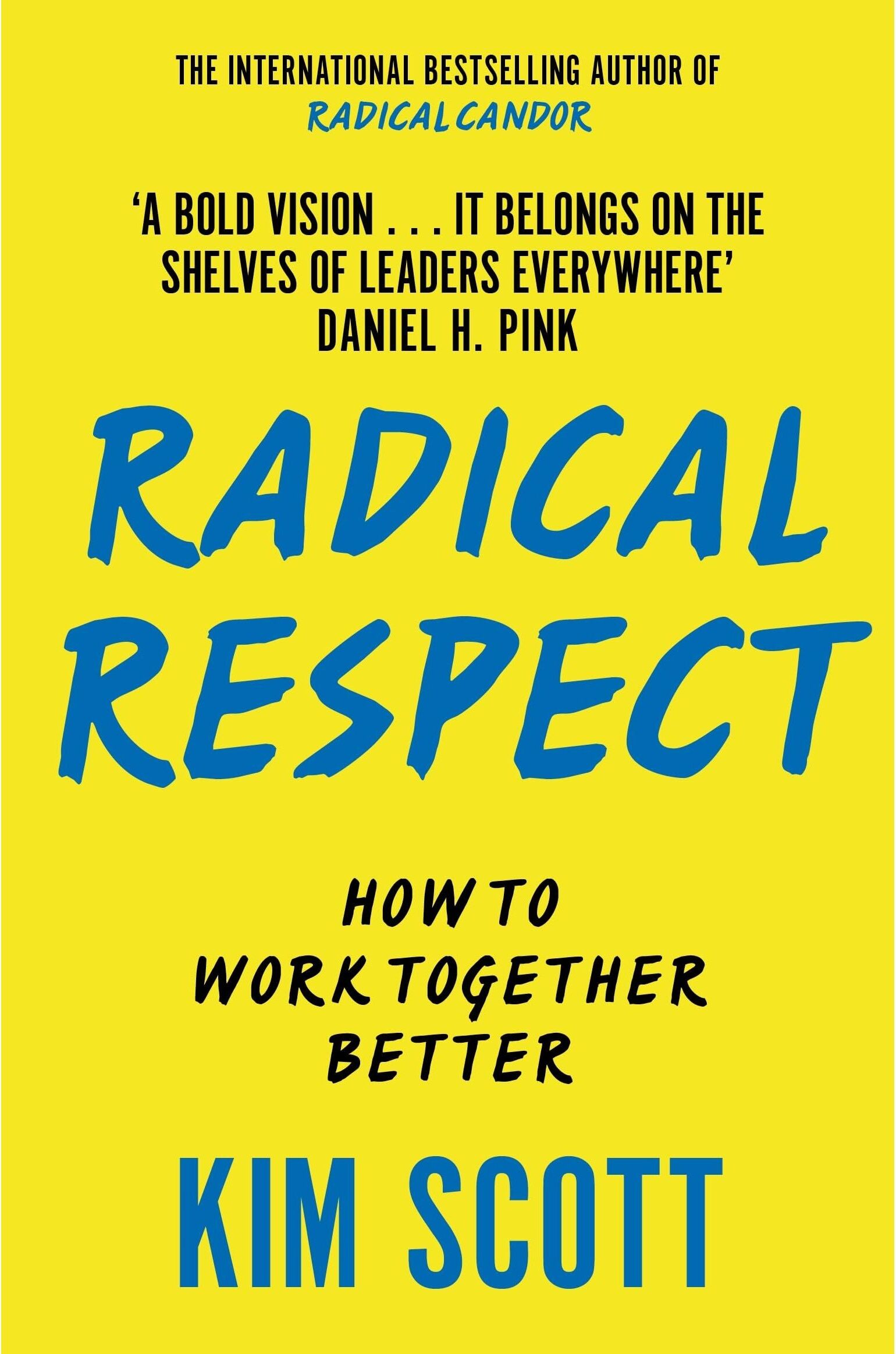
MACMILLAN Radical Respect by Kim Scott – Build a Fairer, Kinder & More Effective WorkplaceRadical Respect by Kim Scott is a powerful guide to building healthier, more respectful, and more effective workplaces.Drawing on years of leadership experience and deep research into communication, inclusion and behaviour, Scott explores how individuals and organisations can move beyond fear, toxicity and bias to create cultures where everyone can thrive. The book breaks down: What genuine respect looks like in everyday interactions How to navigate conflict without causing harm How to eliminate workplace bias, bullying and discrimination How leaders can build trust, safety and accountability How to encourage open, honest communication while valuing differences Practical, empathetic and eye-opening, Radical Respect is an essential read for leaders, HR teams, managers and anyone committed to improving the modern workplace.3,99 £*Shipping: 1,99 £Secure redirect to the provider
-
Uplifted Goods Elite Grounding Silver Fiber Health Protection Sheet white 60.24 X 104.33Experience the restorative benefits of the Earth from the comfort of your bedroom with the Elite Grounding Silver Fiber Health Protection Sheet. This professional grade wellness system is meticulously engineered with a 10% pure silver fiber weave...99,97 $*Shipping: 0,00 $Secure redirect to the provider



-
Is this PTSD?
I'm not a medical professional, but if you or someone you know is experiencing symptoms such as flashbacks, nightmares, severe anxiety, and avoidance of certain situations or places after a traumatic event, it could be a sign of post-traumatic stress disorder (PTSD). It's important to seek help from a mental health professional for an accurate diagnosis and appropriate treatment. PTSD is a serious condition that can have a significant impact on a person's life, but with the right support, it is possible to manage and overcome its effects. **
-
Has the PTSD disappeared?
PTSD, or post-traumatic stress disorder, is a complex mental health condition that can vary in its severity and duration. While some individuals may experience a reduction in symptoms or even full recovery over time with appropriate treatment and support, for others, PTSD may be a chronic condition that requires ongoing management. It is important for individuals with PTSD to work closely with mental health professionals to develop a personalized treatment plan that addresses their specific needs and goals. **
-
What is PTSD 5?
PTSD 5, or Post-Traumatic Stress Disorder 5, is a subtype of PTSD that is characterized by the presence of specific symptoms related to the fifth edition of the Diagnostic and Statistical Manual of Mental Disorders (DSM-5). These symptoms include intrusive thoughts, avoidance of triggers related to the traumatic event, negative changes in mood and cognition, and increased arousal and reactivity. Individuals with PTSD 5 may experience significant distress and impairment in their daily functioning as a result of these symptoms. Treatment for PTSD 5 typically involves a combination of therapy, medication, and support to help individuals manage their symptoms and improve their quality of life. **
-
What is PTSD 10?
PTSD 10 refers to Post-Traumatic Stress Disorder, a mental health condition that can develop after experiencing a traumatic event. The "10" may refer to the 10th edition of the International Classification of Diseases (ICD-10), which includes specific criteria for diagnosing PTSD. Symptoms of PTSD 10 can include flashbacks, nightmares, avoidance of triggers, and heightened anxiety or arousal. Treatment for PTSD 10 may involve therapy, medication, and support from mental health professionals. **


Does Ego-State only occur in complex PTSD or also in simple PTSD?
Ego-state can occur in both complex PTSD and simple PTSD. Ego-state refers to the different parts of a person's personality that can emerge in response to trauma or stress. In simple PTSD, a person may experience ego-state shifts in response to specific triggers or reminders of the traumatic event. In complex PTSD, the ego-states may be more fragmented and distinct, with different parts of the personality taking over in response to different stressors. Both forms of PTSD can involve ego-state experiences, but the nature and complexity of these experiences may differ. **
Do I perhaps have PTSD?
It is important to consult with a mental health professional to determine if you have PTSD. They can assess your symptoms, experiences, and how they are impacting your daily life. PTSD is a serious mental health condition that can develop after experiencing a traumatic event, and a professional can provide an accurate diagnosis and recommend appropriate treatment options. If you are experiencing symptoms such as flashbacks, nightmares, avoidance of triggers, and heightened anxiety, it may be a sign to seek help and discuss your concerns with a professional. **
Top-Angebote
Products related to Ptsd:
-
Uplift Treasures Cat Safety Window Protection Net protective Net2x1.5mProduct Description: Protect your pets from accidental falls with this Cat Safety Window Protection Net. Made from durable nylon and reinforced steel wire mesh, this protective barrier is ideal for balconies, windows, and garden areas, helping keep...112,97 $*Shipping: 0,00 $Secure redirect to the provider
-
All Categories Goods Emergency Survival Gas Mask With Dual Protection Filter & Safety Goggles Emergency Survival Gas Mask With Dual Protection Filter & Safety GogglesPrepare for the unexpected with the Emergency Survival Gas Mask, designed to protect you during hazardous situations. Whether youre navigating dangerous environments or preparing for natural disasters, this protective gear ensures your safety....47,97 $*Shipping: 0,00 $Secure redirect to the provider
-
MACMILLAN Radical Respect by Kim Scott – Build a Fairer, Kinder & More Effective WorkplaceRadical Respect by Kim Scott is a powerful guide to building healthier, more respectful, and more effective workplaces.Drawing on years of leadership experience and deep research into communication, inclusion and behaviour, Scott explores how individuals and organisations can move beyond fear, toxicity and bias to create cultures where everyone can thrive. The book breaks down: What genuine respect looks like in everyday interactions How to navigate conflict without causing harm How to eliminate workplace bias, bullying and discrimination How leaders can build trust, safety and accountability How to encourage open, honest communication while valuing differences Practical, empathetic and eye-opening, Radical Respect is an essential read for leaders, HR teams, managers and anyone committed to improving the modern workplace.3,99 £*Shipping: 1,99 £Secure redirect to the provider
-
What is the difference between PTSD and complex PTSD?
PTSD (Post-Traumatic Stress Disorder) is a mental health condition that can develop after a person experiences a single traumatic event, such as a car accident or natural disaster. On the other hand, Complex PTSD (C-PTSD) typically results from prolonged exposure to traumatic events, such as ongoing abuse, neglect, or captivity. C-PTSD is characterized by additional symptoms such as difficulties with emotion regulation, self-perception, and forming relationships, which are not typically seen in PTSD. **
-
What is the difference between K-PTSD and PTSD?
K-PTSD, or complex post-traumatic stress disorder, is a more severe and complex form of PTSD. While PTSD is typically caused by a single traumatic event, K-PTSD is the result of prolonged and repeated trauma, such as childhood abuse or neglect. K-PTSD often involves a wider range of symptoms, including difficulties with emotional regulation, self-esteem, and forming relationships. Additionally, K-PTSD may require a longer and more intensive treatment approach compared to PTSD. **
-
Is this PTSD?
I'm not a medical professional, but if you or someone you know is experiencing symptoms such as flashbacks, nightmares, severe anxiety, and avoidance of certain situations or places after a traumatic event, it could be a sign of post-traumatic stress disorder (PTSD). It's important to seek help from a mental health professional for an accurate diagnosis and appropriate treatment. PTSD is a serious condition that can have a significant impact on a person's life, but with the right support, it is possible to manage and overcome its effects. **
-
Has the PTSD disappeared?
PTSD, or post-traumatic stress disorder, is a complex mental health condition that can vary in its severity and duration. While some individuals may experience a reduction in symptoms or even full recovery over time with appropriate treatment and support, for others, PTSD may be a chronic condition that requires ongoing management. It is important for individuals with PTSD to work closely with mental health professionals to develop a personalized treatment plan that addresses their specific needs and goals. **
Similar search terms for Ptsd
-
Uplifted Goods Elite Grounding Silver Fiber Health Protection Sheet white 60.24 X 104.33Experience the restorative benefits of the Earth from the comfort of your bedroom with the Elite Grounding Silver Fiber Health Protection Sheet. This professional grade wellness system is meticulously engineered with a 10% pure silver fiber weave...99,97 $*Shipping: 0,00 $Secure redirect to the provider
-
Uplifted Goods Elite Grounding Silver Fiber Health Protection Sheet grey 35.43 X 104.33Experience the restorative benefits of the Earth from the comfort of your bedroom with the Elite Grounding Silver Fiber Health Protection Sheet. This professional grade wellness system is meticulously engineered with a 10% pure silver fiber weave...74,97 $*Shipping: 0,00 $Secure redirect to the provider
-
What is PTSD 5?
PTSD 5, or Post-Traumatic Stress Disorder 5, is a subtype of PTSD that is characterized by the presence of specific symptoms related to the fifth edition of the Diagnostic and Statistical Manual of Mental Disorders (DSM-5). These symptoms include intrusive thoughts, avoidance of triggers related to the traumatic event, negative changes in mood and cognition, and increased arousal and reactivity. Individuals with PTSD 5 may experience significant distress and impairment in their daily functioning as a result of these symptoms. Treatment for PTSD 5 typically involves a combination of therapy, medication, and support to help individuals manage their symptoms and improve their quality of life. **
-
What is PTSD 10?
PTSD 10 refers to Post-Traumatic Stress Disorder, a mental health condition that can develop after experiencing a traumatic event. The "10" may refer to the 10th edition of the International Classification of Diseases (ICD-10), which includes specific criteria for diagnosing PTSD. Symptoms of PTSD 10 can include flashbacks, nightmares, avoidance of triggers, and heightened anxiety or arousal. Treatment for PTSD 10 may involve therapy, medication, and support from mental health professionals. **
-
Does Ego-State only occur in complex PTSD or also in simple PTSD?
Ego-state can occur in both complex PTSD and simple PTSD. Ego-state refers to the different parts of a person's personality that can emerge in response to trauma or stress. In simple PTSD, a person may experience ego-state shifts in response to specific triggers or reminders of the traumatic event. In complex PTSD, the ego-states may be more fragmented and distinct, with different parts of the personality taking over in response to different stressors. Both forms of PTSD can involve ego-state experiences, but the nature and complexity of these experiences may differ. **
-
Do I perhaps have PTSD?
It is important to consult with a mental health professional to determine if you have PTSD. They can assess your symptoms, experiences, and how they are impacting your daily life. PTSD is a serious mental health condition that can develop after experiencing a traumatic event, and a professional can provide an accurate diagnosis and recommend appropriate treatment options. If you are experiencing symptoms such as flashbacks, nightmares, avoidance of triggers, and heightened anxiety, it may be a sign to seek help and discuss your concerns with a professional. **
* All prices are inclusive of VAT and, if applicable, plus shipping costs. The offer information is based on the details provided by the respective shop and is updated through automated processes. Real-time updates do not occur, so deviations can occur in individual cases. ** Note: Parts of this content were created by AI.