Buy specjalista-bhp.eu ?
We are moving the project
specjalista-bhp.eu .
Are you interested in purchasing the domain
specjalista-bhp.eu ?
domain@kv-gmbh.de · 0541-91531010
Buy specjalista-bhp.eu ?
Does radiology require training assistance?
Yes, radiology does require training assistance. Radiology is a complex field that involves the use of advanced imaging technology to diagnose and treat medical conditions. Radiologists need to undergo extensive training to understand the various imaging techniques, interpret the results accurately, and make informed decisions about patient care. Additionally, ongoing training and education are essential to keep up with the latest advancements in imaging technology and medical knowledge. Therefore, training assistance in the form of mentorship, residency programs, and continuing education opportunities is crucial for radiologists to develop and maintain their skills. **
Is the training to become a medical technical radiology assistant (MTRA) in radiology dangerous?
The training to become a medical technical radiology assistant (MTRA) in radiology is not inherently dangerous. However, like any medical profession, there are potential risks associated with working in a healthcare setting, such as exposure to radiation and infectious diseases. Proper training, adherence to safety protocols, and the use of protective equipment can help minimize these risks. Additionally, ongoing education and professional development are important for staying updated on best practices for ensuring safety in the workplace. **


Similar search terms for Radiology
Top-Angebote
Products related to Radiology:
-
All Categories Goods Emergency Survival Gas Mask With Dual Protection Filter & Safety Goggles Emergency Survival Gas Mask With Dual Protection Filter & Safety GogglesPrepare for the unexpected with the Emergency Survival Gas Mask, designed to protect you during hazardous situations. Whether youre navigating dangerous environments or preparing for natural disasters, this protective gear ensures your safety....47,97 $*Shipping: 0,00 $Secure redirect to the provider
-
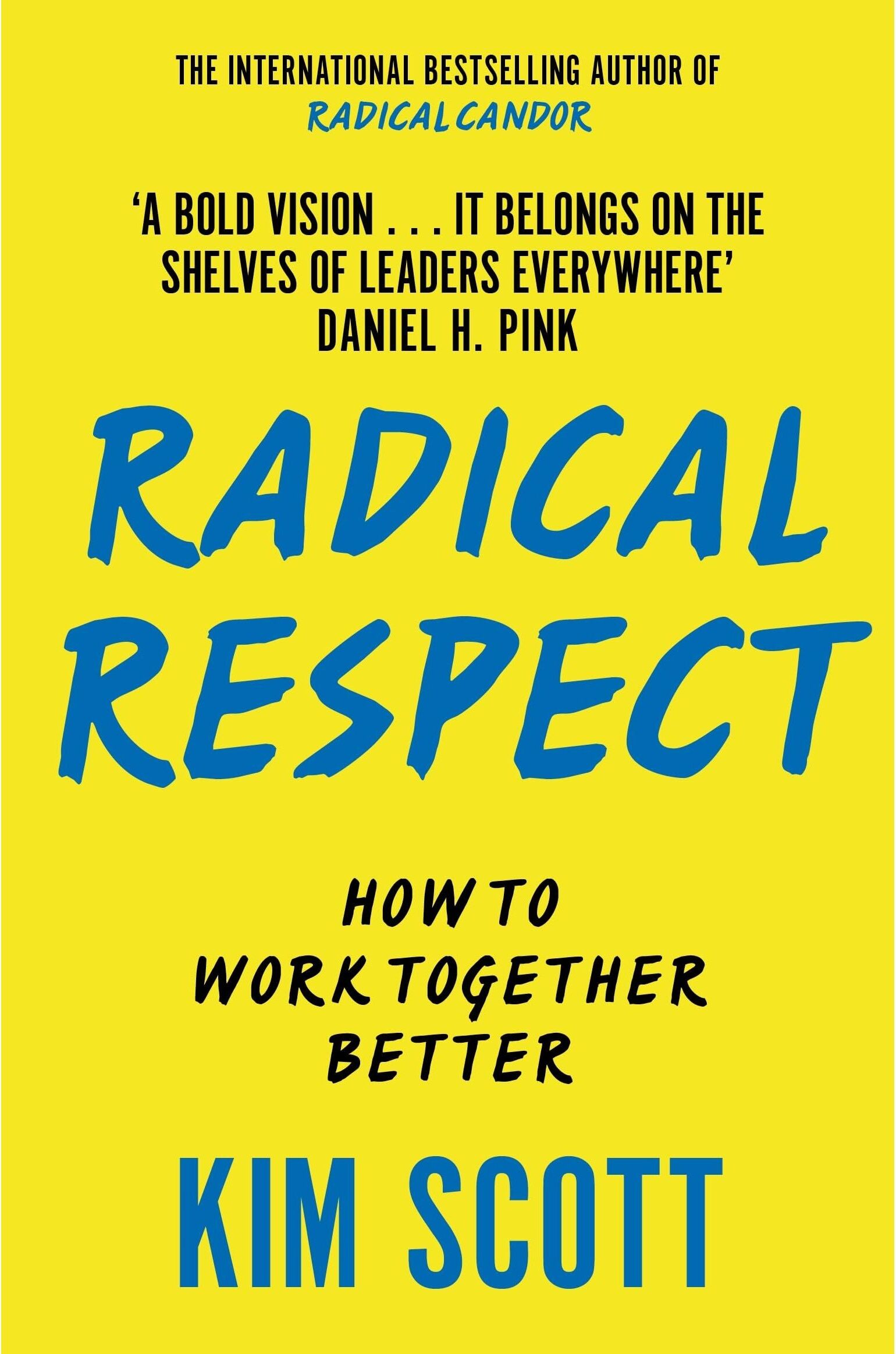
MACMILLAN Radical Respect by Kim Scott – Build a Fairer, Kinder & More Effective WorkplaceRadical Respect by Kim Scott is a powerful guide to building healthier, more respectful, and more effective workplaces.Drawing on years of leadership experience and deep research into communication, inclusion and behaviour, Scott explores how individuals and organisations can move beyond fear, toxicity and bias to create cultures where everyone can thrive. The book breaks down: What genuine respect looks like in everyday interactions How to navigate conflict without causing harm How to eliminate workplace bias, bullying and discrimination How leaders can build trust, safety and accountability How to encourage open, honest communication while valuing differences Practical, empathetic and eye-opening, Radical Respect is an essential read for leaders, HR teams, managers and anyone committed to improving the modern workplace.3,99 £*Shipping: 1,99 £Secure redirect to the provider
-
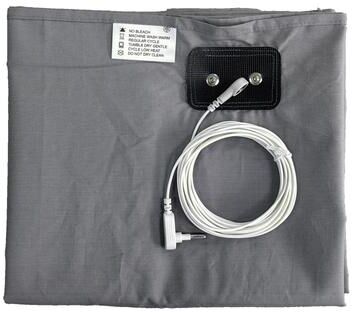
Uplifted Goods Elite Grounding Silver Fiber Health Protection Sheet white 60.24 X 104.33Experience the restorative benefits of the Earth from the comfort of your bedroom with the Elite Grounding Silver Fiber Health Protection Sheet. This professional grade wellness system is meticulously engineered with a 10% pure silver fiber weave...99,97 $*Shipping: 0,00 $Secure redirect to the provider


-
What is the difference between training to become a medical technology radiology assistant and training to become a radiology technologist?
Training to become a medical technology radiology assistant typically involves a shorter program, usually a certificate or associate degree, focusing on assisting radiologic technologists with patient care, equipment operation, and image processing. On the other hand, training to become a radiology technologist involves a more in-depth program, usually a bachelor's degree, that includes coursework in anatomy, physiology, patient care, radiation physics, and imaging techniques. Radiology technologists are responsible for performing imaging procedures and ensuring high-quality diagnostic images are produced, while radiology assistants support technologists in various aspects of the imaging process. **
-
What is the difference between training to become a medical technology radiology assistant and training to become a radiology technician?
Training to become a medical technology radiology assistant typically involves a shorter program, usually a certificate or associate degree, focusing on assisting radiologic technologists with patient care, positioning, and equipment operation. On the other hand, training to become a radiology technician involves a more comprehensive program, usually a bachelor's degree, that includes coursework in anatomy, physiology, patient care, radiation physics, and imaging techniques. Radiology technicians are trained to perform imaging procedures independently, while radiology assistants work under the supervision of radiologic technologists. **
-
What is the difference between the training to become a medical technician radiology assistant and the training to become a radiology technologist?
The training to become a medical technician radiology assistant typically involves a shorter program, usually a certificate or associate degree, focusing on assisting radiology technologists with patient care, positioning, and equipment operation. On the other hand, the training to become a radiology technologist is more in-depth and typically requires a bachelor's degree or an associate degree, focusing on operating imaging equipment, performing diagnostic imaging procedures, and analyzing images for diagnostic purposes. Radiology technologists have a higher level of responsibility and are often involved in more complex imaging procedures compared to radiology assistants. **
-
What is the difference between the training to become a medical technology radiology assistant and the training to become a radiology technologist?
The training to become a medical technology radiology assistant typically involves a shorter program, usually a certificate or diploma program that focuses on assisting radiologic technologists with patient care, positioning, and equipment operation. On the other hand, the training to become a radiology technologist is more extensive, usually requiring an associate or bachelor's degree in radiologic technology. Radiology technologists are trained to perform imaging procedures independently, interpret results, and ensure the quality of the images produced. Overall, the main difference lies in the depth of knowledge, skills, and responsibilities between the two roles. **
How can one study radiology?
One can study radiology by completing a bachelor's degree in a related field such as biology, chemistry, or physics, followed by attending medical school to become a doctor. After completing medical school, one can pursue a residency program in radiology, which typically lasts for four years. During the residency, individuals receive hands-on training in various imaging techniques and interpretation of medical images. Additionally, obtaining board certification in radiology is often required to practice as a radiologist. **
What is the training for a medical-technical radiology assistant?
Training for a medical-technical radiology assistant typically involves completing a formal education program, such as an associate's degree or a certificate program in radiologic technology. These programs usually include coursework in anatomy, patient care, radiation physics, and medical imaging techniques. Additionally, students are required to complete clinical rotations to gain hands-on experience working with radiologic equipment and interacting with patients. Upon completion of their training, individuals may need to pass a certification exam to become a registered radiologic technologist. **
Top-Angebote
Products related to Radiology:
-
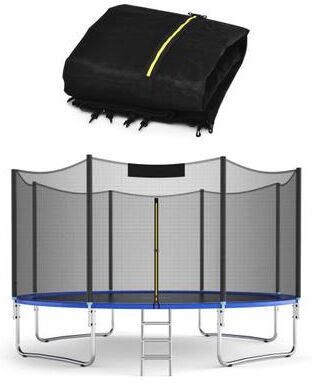
Uplift Treasures Cat Safety Window Protection Net protective Net2x1.5mProduct Description: Protect your pets from accidental falls with this Cat Safety Window Protection Net. Made from durable nylon and reinforced steel wire mesh, this protective barrier is ideal for balconies, windows, and garden areas, helping keep...112,97 $*Shipping: 0,00 $Secure redirect to the provider
-
All Categories Goods Emergency Survival Gas Mask With Dual Protection Filter & Safety Goggles Emergency Survival Gas Mask With Dual Protection Filter & Safety GogglesPrepare for the unexpected with the Emergency Survival Gas Mask, designed to protect you during hazardous situations. Whether youre navigating dangerous environments or preparing for natural disasters, this protective gear ensures your safety....47,97 $*Shipping: 0,00 $Secure redirect to the provider
-
MACMILLAN Radical Respect by Kim Scott – Build a Fairer, Kinder & More Effective WorkplaceRadical Respect by Kim Scott is a powerful guide to building healthier, more respectful, and more effective workplaces.Drawing on years of leadership experience and deep research into communication, inclusion and behaviour, Scott explores how individuals and organisations can move beyond fear, toxicity and bias to create cultures where everyone can thrive. The book breaks down: What genuine respect looks like in everyday interactions How to navigate conflict without causing harm How to eliminate workplace bias, bullying and discrimination How leaders can build trust, safety and accountability How to encourage open, honest communication while valuing differences Practical, empathetic and eye-opening, Radical Respect is an essential read for leaders, HR teams, managers and anyone committed to improving the modern workplace.3,99 £*Shipping: 1,99 £Secure redirect to the provider
-
Does radiology require training assistance?
Yes, radiology does require training assistance. Radiology is a complex field that involves the use of advanced imaging technology to diagnose and treat medical conditions. Radiologists need to undergo extensive training to understand the various imaging techniques, interpret the results accurately, and make informed decisions about patient care. Additionally, ongoing training and education are essential to keep up with the latest advancements in imaging technology and medical knowledge. Therefore, training assistance in the form of mentorship, residency programs, and continuing education opportunities is crucial for radiologists to develop and maintain their skills. **
-
Is the training to become a medical technical radiology assistant (MTRA) in radiology dangerous?
The training to become a medical technical radiology assistant (MTRA) in radiology is not inherently dangerous. However, like any medical profession, there are potential risks associated with working in a healthcare setting, such as exposure to radiation and infectious diseases. Proper training, adherence to safety protocols, and the use of protective equipment can help minimize these risks. Additionally, ongoing education and professional development are important for staying updated on best practices for ensuring safety in the workplace. **
-
What is the difference between training to become a medical technology radiology assistant and training to become a radiology technologist?
Training to become a medical technology radiology assistant typically involves a shorter program, usually a certificate or associate degree, focusing on assisting radiologic technologists with patient care, equipment operation, and image processing. On the other hand, training to become a radiology technologist involves a more in-depth program, usually a bachelor's degree, that includes coursework in anatomy, physiology, patient care, radiation physics, and imaging techniques. Radiology technologists are responsible for performing imaging procedures and ensuring high-quality diagnostic images are produced, while radiology assistants support technologists in various aspects of the imaging process. **
-
What is the difference between training to become a medical technology radiology assistant and training to become a radiology technician?
Training to become a medical technology radiology assistant typically involves a shorter program, usually a certificate or associate degree, focusing on assisting radiologic technologists with patient care, positioning, and equipment operation. On the other hand, training to become a radiology technician involves a more comprehensive program, usually a bachelor's degree, that includes coursework in anatomy, physiology, patient care, radiation physics, and imaging techniques. Radiology technicians are trained to perform imaging procedures independently, while radiology assistants work under the supervision of radiologic technologists. **
Similar search terms for Radiology
-
Uplifted Goods Elite Grounding Silver Fiber Health Protection Sheet white 60.24 X 104.33Experience the restorative benefits of the Earth from the comfort of your bedroom with the Elite Grounding Silver Fiber Health Protection Sheet. This professional grade wellness system is meticulously engineered with a 10% pure silver fiber weave...99,97 $*Shipping: 0,00 $Secure redirect to the provider
-
Uplifted Goods Elite Grounding Silver Fiber Health Protection Sheet grey 35.43 X 104.33Experience the restorative benefits of the Earth from the comfort of your bedroom with the Elite Grounding Silver Fiber Health Protection Sheet. This professional grade wellness system is meticulously engineered with a 10% pure silver fiber weave...74,97 $*Shipping: 0,00 $Secure redirect to the provider
-
What is the difference between the training to become a medical technician radiology assistant and the training to become a radiology technologist?
The training to become a medical technician radiology assistant typically involves a shorter program, usually a certificate or associate degree, focusing on assisting radiology technologists with patient care, positioning, and equipment operation. On the other hand, the training to become a radiology technologist is more in-depth and typically requires a bachelor's degree or an associate degree, focusing on operating imaging equipment, performing diagnostic imaging procedures, and analyzing images for diagnostic purposes. Radiology technologists have a higher level of responsibility and are often involved in more complex imaging procedures compared to radiology assistants. **
-
What is the difference between the training to become a medical technology radiology assistant and the training to become a radiology technologist?
The training to become a medical technology radiology assistant typically involves a shorter program, usually a certificate or diploma program that focuses on assisting radiologic technologists with patient care, positioning, and equipment operation. On the other hand, the training to become a radiology technologist is more extensive, usually requiring an associate or bachelor's degree in radiologic technology. Radiology technologists are trained to perform imaging procedures independently, interpret results, and ensure the quality of the images produced. Overall, the main difference lies in the depth of knowledge, skills, and responsibilities between the two roles. **
-
How can one study radiology?
One can study radiology by completing a bachelor's degree in a related field such as biology, chemistry, or physics, followed by attending medical school to become a doctor. After completing medical school, one can pursue a residency program in radiology, which typically lasts for four years. During the residency, individuals receive hands-on training in various imaging techniques and interpretation of medical images. Additionally, obtaining board certification in radiology is often required to practice as a radiologist. **
-
What is the training for a medical-technical radiology assistant?
Training for a medical-technical radiology assistant typically involves completing a formal education program, such as an associate's degree or a certificate program in radiologic technology. These programs usually include coursework in anatomy, patient care, radiation physics, and medical imaging techniques. Additionally, students are required to complete clinical rotations to gain hands-on experience working with radiologic equipment and interacting with patients. Upon completion of their training, individuals may need to pass a certification exam to become a registered radiologic technologist. **
* All prices are inclusive of VAT and, if applicable, plus shipping costs. The offer information is based on the details provided by the respective shop and is updated through automated processes. Real-time updates do not occur, so deviations can occur in individual cases. ** Note: Parts of this content were created by AI.