Buy specjalista-bhp.eu ?
We are moving the project
specjalista-bhp.eu .
Are you interested in purchasing the domain
specjalista-bhp.eu ?
domain@kv-gmbh.de · 0541-91531010
Buy specjalista-bhp.eu ?
Can you explain saponification?
Saponification is a chemical reaction that occurs when a fat or oil is mixed with a strong alkali, such as sodium hydroxide (lye), resulting in the formation of soap and glycerin. During saponification, the alkali breaks down the ester bonds in the fat molecules, releasing fatty acids and glycerol. The fatty acids then react with the alkali to form soap molecules, while glycerin is a byproduct of the reaction. This process is commonly used in the production of soap. **
How does saponification work in chemistry?
Saponification is a chemical reaction that involves the hydrolysis of ester bonds in fats and oils by a strong base, typically sodium hydroxide or potassium hydroxide. This reaction results in the formation of glycerol and soap molecules, which are the salts of fatty acids. The hydroxide ions from the base break the ester bonds in the triglyceride molecules, releasing the fatty acids and glycerol. The fatty acids then react with the metal ions from the base to form soap molecules, which are soluble in water and have detergent properties. **

Similar search terms for Saponification
Top-Angebote
Products related to Saponification:
-
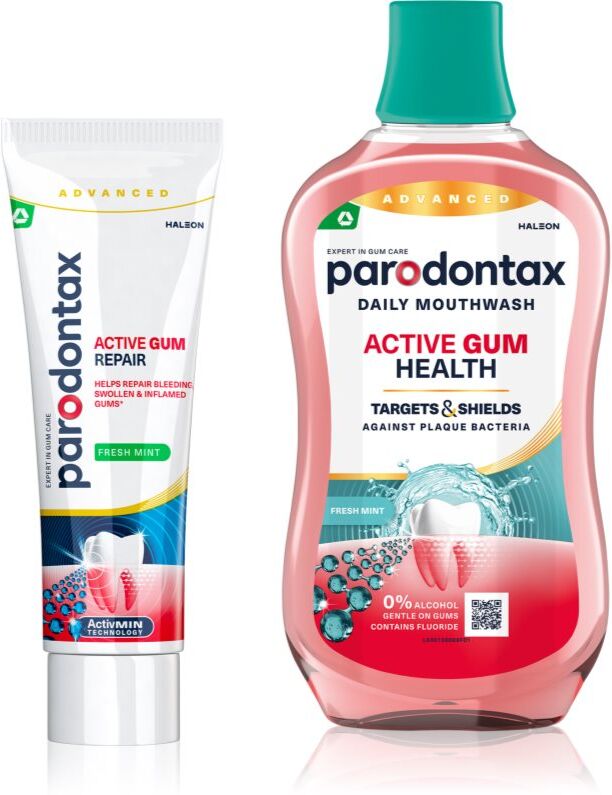
Parodontax Active Gum Repair & Health Fresh Mint set for complete tooth protectionParodontax Active Gum Repair & Health Fresh Mint, 2 pc, Complete protection unisex, Discover a practical bundle of products designed to enhance your everyday moments. ParodontaxActive Gum Repair & HealthFresh Mint set takes the hassle out of choosing by offering a combination of popular products. Now available together in one convenient pack. The set contains: Parodontax Active Gum Repair Fresh Mint toothpaste for healthy gums and complete dental care 75 ml Parodontax Daily Gum Care Fresh Mint mouthwash for complete tooth protection 500 ml Characteristics: fights tooth decay keeps gums healthy ensures fresh breath cleans teeth reliably takes care of gums How to use: Follow the instructions on the package. After cleaning the teeth, rinse the mouth with mouthwash for the time stated on the label then spit out. Clean the teeth at least twice a day with a quality toothbrush.10,50 £*Shipping: 3,99 £Secure redirect to the provider
-
Everyday Crate PawControl Waterproof Dog Training Collar With Remote & IP67 Protection PawControl Waterproof Dog Training Collar With Remote & IP67 ProtectionA wellbehaved dog means more enjoyable walks, safer adventures, and greater peace of mind. The waterproof dog training collar is designed for pet owners who want an effective, reliable way to reinforce commands and reduce unwanted behaviors. Built...74,97 $*Shipping: 0,00 $Secure redirect to the provider
-
Uplift Treasures Cat Safety Window Protection Net protective Net2x1.5mProduct Description: Protect your pets from accidental falls with this Cat Safety Window Protection Net. Made from durable nylon and reinforced steel wire mesh, this protective barrier is ideal for balconies, windows, and garden areas, helping keep...112,97 $*Shipping: 0,00 $Secure redirect to the provider



-
What are chemical reactions in saponification?
Chemical reactions in saponification involve the reaction of a fat or oil with a strong base, typically sodium hydroxide or potassium hydroxide. This reaction results in the formation of soap and glycerol. The fatty acids in the fat or oil react with the base to form the soap molecules, while glycerol is a byproduct of the reaction. Saponification is a key process in soap-making and is essential for the production of soap. **
-
What is the equation for saponification?
The general equation for saponification is: ester + base → alcohol + carboxylate salt. In the specific case of the saponification of a triglyceride (fat or oil) with a strong base such as sodium hydroxide, the equation is: triglyceride + sodium hydroxide → glycerol + 3 fatty acid salts. **
-
Is this saponification reaction equation correct?
Yes, the saponification reaction equation provided is correct. Saponification is the process of making soap by reacting a fat or oil with a strong base, such as sodium hydroxide or potassium hydroxide. The reaction results in the formation of soap (sodium or potassium salts of fatty acids) and glycerol. The equation shown accurately represents this chemical transformation. **
-
How can one derive the saponification value?
The saponification value can be derived by determining the amount of potassium hydroxide (KOH) or sodium hydroxide (NaOH) required to saponify a specific amount of fat or oil. This is typically done through a chemical reaction where the fat or oil is mixed with a known concentration of KOH or NaOH. The amount of KOH or NaOH used in the reaction is then measured, and the saponification value is calculated based on the molecular weight of the fat or oil. This value is important in determining the amount of alkali needed for soap making or in assessing the purity of fats and oils. **


What is the reaction equation for saponification?
The reaction equation for saponification involves the hydrolysis of an ester, typically a triglyceride, with a strong base such as sodium hydroxide or potassium hydroxide. The general equation for saponification is: Ester + Base → Alcohol + Salt of Fatty Acid. For example, in the saponification of a triglyceride like olive oil, the reaction equation would be: Triglyceride (olive oil) + 3NaOH → Glycerol + 3 Sodium Salts of Fatty Acids (soap). **
How can one determine the saponification value?
The saponification value can be determined by performing a chemical reaction called saponification on a known weight of the fat or oil sample. This reaction involves the hydrolysis of the ester bonds in the fat or oil with a strong base, such as potassium hydroxide. The amount of base required to saponify the fat or oil is then measured, and the saponification value is calculated based on the weight of the sample and the amount of base used. This value is expressed as the number of milligrams of potassium hydroxide required to saponify one gram of the fat or oil sample. **
Top-Angebote
Products related to Saponification:
-
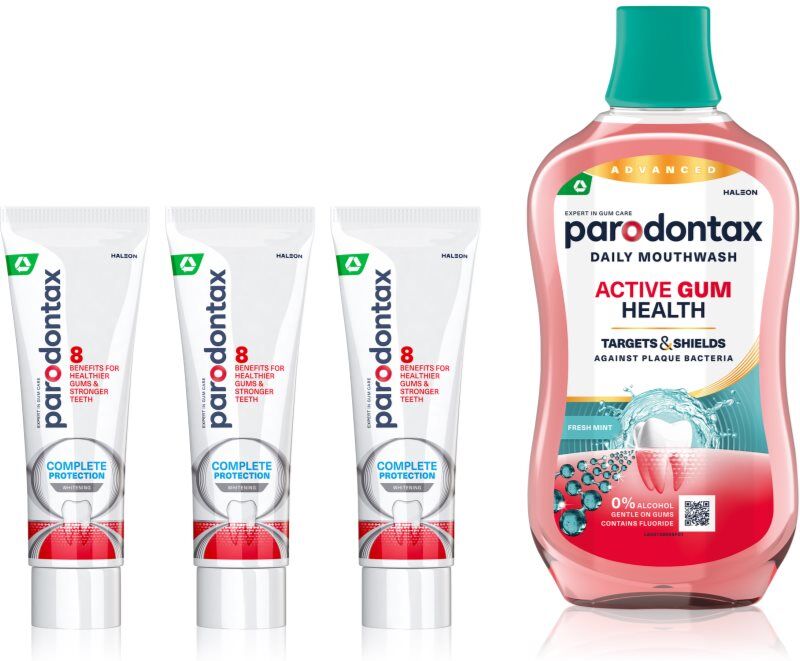
Parodontax Complete Protection & Active Gum Health Whitening set for complete tooth protectionParodontax Complete Protection & Active Gum Health Whitening, 4 pc, Whitenning toothpaste unisex, Discover a practical bundle of products designed to enhance your everyday moments. ParodontaxComplete Protection & Active Gum HealthWhitening set takes the hassle out of choosing by offering a combination of popular products. Now available together in one convenient pack. The set contains: Parodontax Complete Protection Whitening whitening toothpaste with fluoride 3x75 ml Parodontax Daily Gum Care Fresh Mint mouthwash for complete tooth protection 500 ml Characteristics: fights tooth decay keeps gums healthy ensures fresh breath revitalises and looks after gums whitens teeth How to use: Follow the instructions on the package.16,80 £*Shipping: 3,99 £Secure redirect to the provider
-
Parodontax Complete Protection & Active Gum Health Whitening set for teethParodontax Complete Protection & Active Gum Health Whitening, 2 pc, Whitenning toothpaste unisex, Discover a practical bundle of products designed to enhance your everyday moments. ParodontaxComplete Protection & Active Gum HealthWhitening set takes the hassle out of choosing by offering a combination of popular products. Now available together in one convenient pack. The set contains: Parodontax Complete Protection Whitening whitening toothpaste with fluoride 75 ml Parodontax Daily Gum Care Fresh Mint mouthwash for complete tooth protection 500 ml Characteristics: fights tooth decay keeps gums healthy ensures fresh breath whitens teeth freshens breath How to use: Follow the instructions on the package. After cleaning the teeth, rinse the mouth with mouthwash for the time stated on the label then spit out. Clean the teeth thoroughly for at least two minutes.11,10 £*Shipping: 3,99 £Secure redirect to the provider
-
Parodontax Active Gum Repair & Health Fresh Mint set for complete tooth protectionParodontax Active Gum Repair & Health Fresh Mint, 2 pc, Complete protection unisex, Discover a practical bundle of products designed to enhance your everyday moments. ParodontaxActive Gum Repair & HealthFresh Mint set takes the hassle out of choosing by offering a combination of popular products. Now available together in one convenient pack. The set contains: Parodontax Active Gum Repair Fresh Mint toothpaste for healthy gums and complete dental care 75 ml Parodontax Daily Gum Care Fresh Mint mouthwash for complete tooth protection 500 ml Characteristics: fights tooth decay keeps gums healthy ensures fresh breath cleans teeth reliably takes care of gums How to use: Follow the instructions on the package. After cleaning the teeth, rinse the mouth with mouthwash for the time stated on the label then spit out. Clean the teeth at least twice a day with a quality toothbrush.10,50 £*Shipping: 3,99 £Secure redirect to the provider
-
Everyday Crate PawControl Waterproof Dog Training Collar With Remote & IP67 Protection PawControl Waterproof Dog Training Collar With Remote & IP67 ProtectionA wellbehaved dog means more enjoyable walks, safer adventures, and greater peace of mind. The waterproof dog training collar is designed for pet owners who want an effective, reliable way to reinforce commands and reduce unwanted behaviors. Built...74,97 $*Shipping: 0,00 $Secure redirect to the provider
-
Can you explain saponification?
Saponification is a chemical reaction that occurs when a fat or oil is mixed with a strong alkali, such as sodium hydroxide (lye), resulting in the formation of soap and glycerin. During saponification, the alkali breaks down the ester bonds in the fat molecules, releasing fatty acids and glycerol. The fatty acids then react with the alkali to form soap molecules, while glycerin is a byproduct of the reaction. This process is commonly used in the production of soap. **
-
How does saponification work in chemistry?
Saponification is a chemical reaction that involves the hydrolysis of ester bonds in fats and oils by a strong base, typically sodium hydroxide or potassium hydroxide. This reaction results in the formation of glycerol and soap molecules, which are the salts of fatty acids. The hydroxide ions from the base break the ester bonds in the triglyceride molecules, releasing the fatty acids and glycerol. The fatty acids then react with the metal ions from the base to form soap molecules, which are soluble in water and have detergent properties. **
-
What are chemical reactions in saponification?
Chemical reactions in saponification involve the reaction of a fat or oil with a strong base, typically sodium hydroxide or potassium hydroxide. This reaction results in the formation of soap and glycerol. The fatty acids in the fat or oil react with the base to form the soap molecules, while glycerol is a byproduct of the reaction. Saponification is a key process in soap-making and is essential for the production of soap. **
-
What is the equation for saponification?
The general equation for saponification is: ester + base → alcohol + carboxylate salt. In the specific case of the saponification of a triglyceride (fat or oil) with a strong base such as sodium hydroxide, the equation is: triglyceride + sodium hydroxide → glycerol + 3 fatty acid salts. **
Similar search terms for Saponification
-
Uplift Treasures Cat Safety Window Protection Net protective Net2x1.5mProduct Description: Protect your pets from accidental falls with this Cat Safety Window Protection Net. Made from durable nylon and reinforced steel wire mesh, this protective barrier is ideal for balconies, windows, and garden areas, helping keep...112,97 $*Shipping: 0,00 $Secure redirect to the provider
-
MACMILLAN Radical Respect by Kim Scott – Build a Fairer, Kinder & More Effective WorkplaceRadical Respect by Kim Scott is a powerful guide to building healthier, more respectful, and more effective workplaces.Drawing on years of leadership experience and deep research into communication, inclusion and behaviour, Scott explores how individuals and organisations can move beyond fear, toxicity and bias to create cultures where everyone can thrive. The book breaks down: What genuine respect looks like in everyday interactions How to navigate conflict without causing harm How to eliminate workplace bias, bullying and discrimination How leaders can build trust, safety and accountability How to encourage open, honest communication while valuing differences Practical, empathetic and eye-opening, Radical Respect is an essential read for leaders, HR teams, managers and anyone committed to improving the modern workplace.3,99 £*Shipping: 1,99 £Secure redirect to the provider
-
All Categories Goods Emergency Survival Gas Mask With Dual Protection Filter & Safety Goggles Emergency Survival Gas Mask With Dual Protection Filter & Safety GogglesPrepare for the unexpected with the Emergency Survival Gas Mask, designed to protect you during hazardous situations. Whether youre navigating dangerous environments or preparing for natural disasters, this protective gear ensures your safety....47,97 $*Shipping: 0,00 $Secure redirect to the provider
-
Is this saponification reaction equation correct?
Yes, the saponification reaction equation provided is correct. Saponification is the process of making soap by reacting a fat or oil with a strong base, such as sodium hydroxide or potassium hydroxide. The reaction results in the formation of soap (sodium or potassium salts of fatty acids) and glycerol. The equation shown accurately represents this chemical transformation. **
-
How can one derive the saponification value?
The saponification value can be derived by determining the amount of potassium hydroxide (KOH) or sodium hydroxide (NaOH) required to saponify a specific amount of fat or oil. This is typically done through a chemical reaction where the fat or oil is mixed with a known concentration of KOH or NaOH. The amount of KOH or NaOH used in the reaction is then measured, and the saponification value is calculated based on the molecular weight of the fat or oil. This value is important in determining the amount of alkali needed for soap making or in assessing the purity of fats and oils. **
-
What is the reaction equation for saponification?
The reaction equation for saponification involves the hydrolysis of an ester, typically a triglyceride, with a strong base such as sodium hydroxide or potassium hydroxide. The general equation for saponification is: Ester + Base → Alcohol + Salt of Fatty Acid. For example, in the saponification of a triglyceride like olive oil, the reaction equation would be: Triglyceride (olive oil) + 3NaOH → Glycerol + 3 Sodium Salts of Fatty Acids (soap). **
-
How can one determine the saponification value?
The saponification value can be determined by performing a chemical reaction called saponification on a known weight of the fat or oil sample. This reaction involves the hydrolysis of the ester bonds in the fat or oil with a strong base, such as potassium hydroxide. The amount of base required to saponify the fat or oil is then measured, and the saponification value is calculated based on the weight of the sample and the amount of base used. This value is expressed as the number of milligrams of potassium hydroxide required to saponify one gram of the fat or oil sample. **
* All prices are inclusive of VAT and, if applicable, plus shipping costs. The offer information is based on the details provided by the respective shop and is updated through automated processes. Real-time updates do not occur, so deviations can occur in individual cases. ** Note: Parts of this content were created by AI.